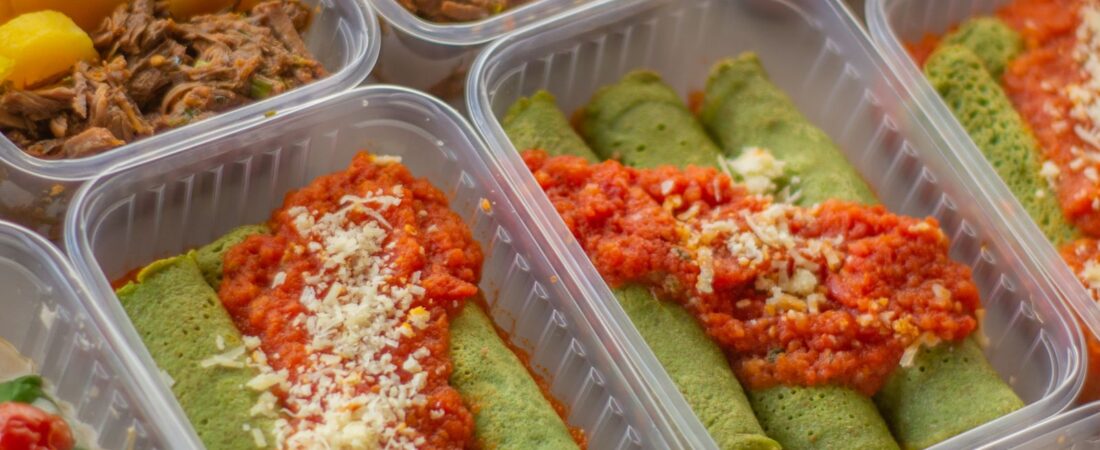
Most people who quit meal prepping don’t quit because it doesn’t work. They quit because their first few attempts went wrong in one of a handful of predictable ways, and nobody told them those mistakes were normal and fixable. If you’ve tried meal prepping for one before and it fell apart by Wednesday, there’s a good chance it wasn’t the concept that failed. It was one of these seven common meal prep mistakes.
If you’re setting up your routine for the first time, start with our complete beginner’s guide to meal prepping for one for the basics. This guide covers the specific mistakes that trip up beginners most often, and how to sidestep each one.
Mistake 1: Skipping the Plan and Prepping on Autopilot
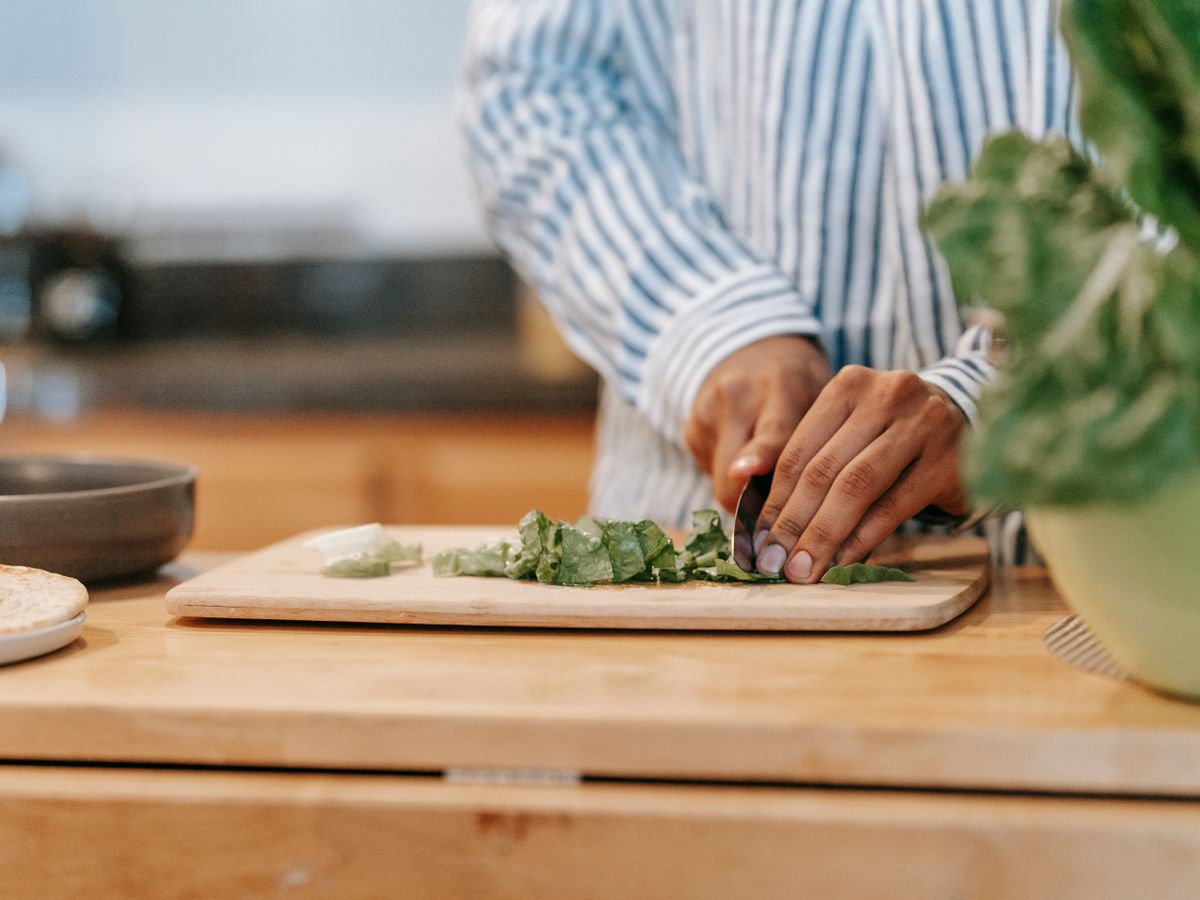
Walking into the kitchen on a Sunday and just starting to cook, without deciding first what you’re actually making, is one of the most common meal prep mistakes and the single biggest reason meal prep sessions run long and produce food nobody wants to eat. Spend ten minutes beforehand deciding on two or three components you’ll cook, rather than improvising as you go. Our guide to planning a week of meals for one walks through a simple system for this that takes about 20 minutes and removes the guesswork entirely.
Mistake 2: Buying and Cooking Too Much at Once
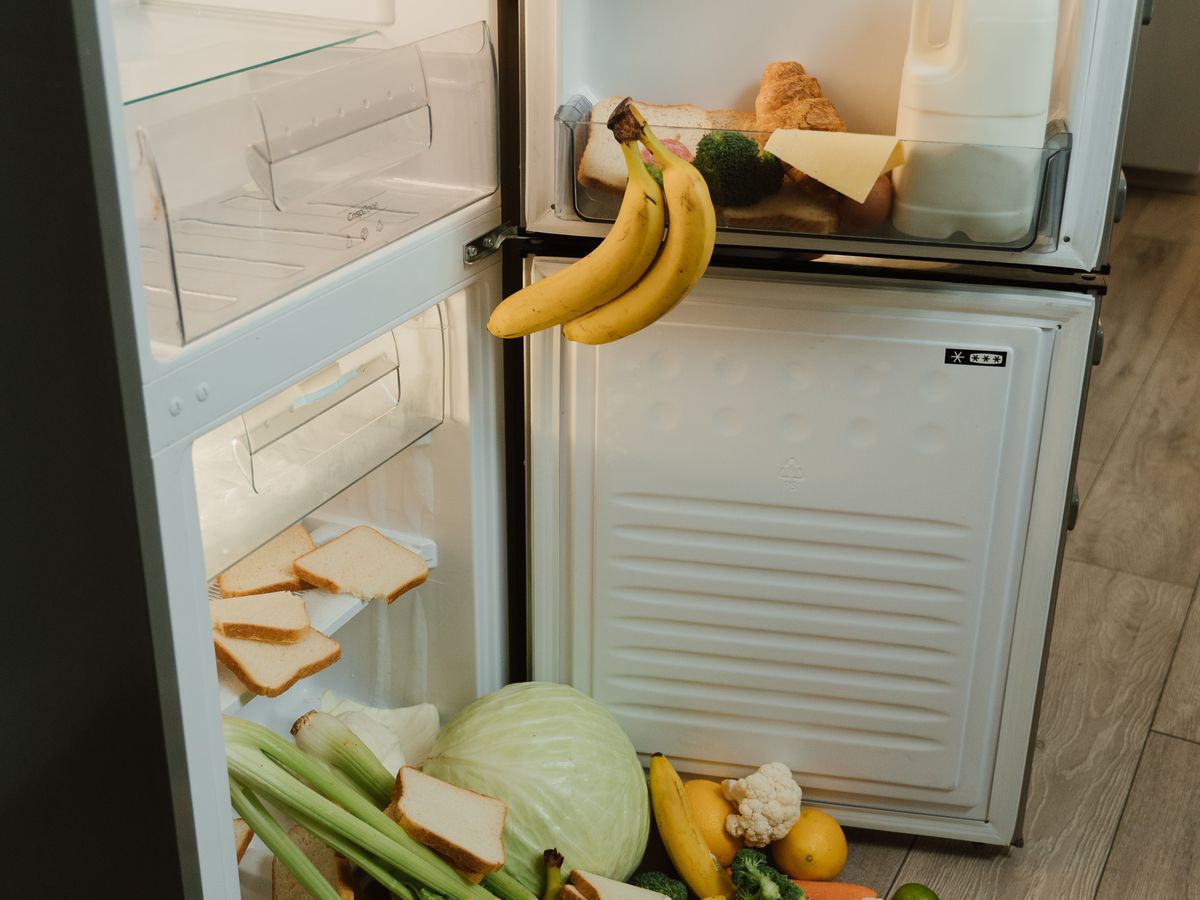
Recipes are almost always written for four people, and it’s tempting to just cook the full batch because “it’s the same amount of work.” For one person, that usually means five or six identical meals in a row, which is exactly what makes people burn out on a dish and let the leftovers rot. Cook enough for three to four servings at a time instead, and freeze half of that if you want backup meals, rather than committing your whole week to one recipe. An overstuffed fridge is also harder to keep organized, which makes it more likely food gets pushed to the back and forgotten.
A simple way to right-size a recipe is to just halve it before you shop, buying half the meat, half the vegetables, and half the sauce ingredients rather than the full amounts listed. Most recipes scale down cleanly, and the ones that don’t, like a whole roast chicken, are usually easy to portion and freeze in smaller batches after cooking instead.
Mistake 3: Combining Everything Into One Pre-Sauced Dish
Mixing your protein, grain, vegetable, and sauce together before storing feels efficient, but it locks you into eating that exact combination all week, and the texture suffers as the sauce soaks into everything else. Rice goes mushy, greens wilt, and by day three the whole thing looks less appetizing than it did on day one. Store components separately and combine them fresh at each meal instead. It’s a small extra step that makes a bigger difference than almost anything else on this list.
The only real exception is dishes meant to be saucy from the start, like a curry, chili, or stew, where there’s nothing to protect from sogginess in the first place. For those, combining and storing as one dish is fine. The rule really applies to anything built around a base of rice, pasta, or greens that a sauce would otherwise soak into and ruin over a few days.
Mistake 4: Using the Same Flavors Every Single Time
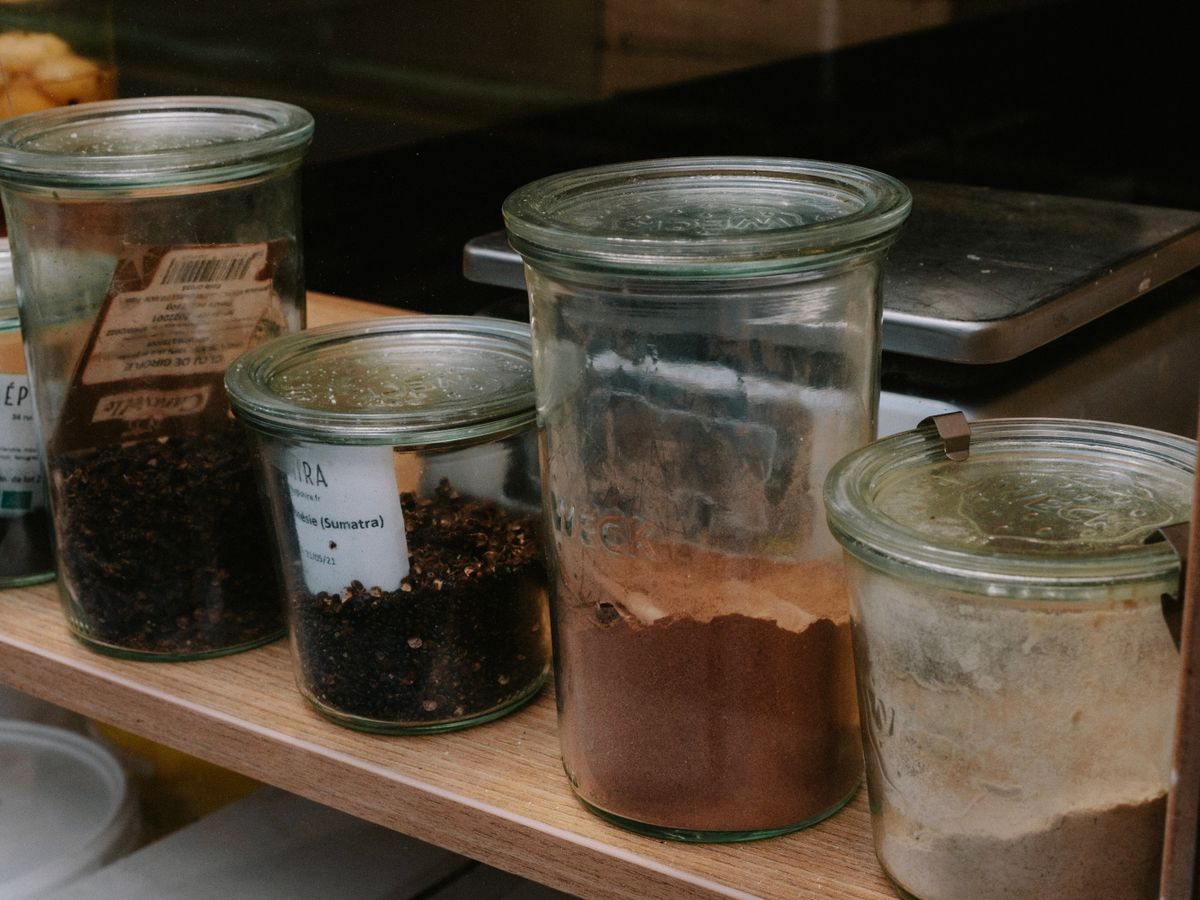
Salt, pepper, and olive oil on everything is how a perfectly good batch of chicken and rice turns into something you can’t face by Thursday. Keep three or four sauces or spice blends on hand, like soy-ginger, taco seasoning, a basic curry powder, and a vinaigrette, and rotate them across the week. The base ingredients barely change, but the meal tastes different enough each time that it doesn’t feel repetitive. This single habit does more to keep a meal prep routine sustainable than almost any other change.
Mistake 5: Ignoring Storage Times and Reheating Temperatures
This is the mistake with the highest stakes, since it’s the one that can actually make you sick rather than just bored. Cooked meat, grains, and vegetable dishes are safe in the refrigerator for 3 to 4 days; if a portion won’t be eaten within that window, it needs to go in the freezer right after cooking, not sit in the fridge “to decide later.” Leftovers should go into the fridge within two hours of cooking, and reheated food needs to reach an internal temperature of 165°F, checked with a food thermometer if you’re not sure, per FDA and FoodSafety.gov guidance.
If you’re ever unsure about a specific ingredient’s safe storage window, the USDA’s FoodKeeper tool covers hundreds of individual foods with exact timelines, and it’s worth bookmarking rather than guessing.
Mistake 6: Grabbing Whatever Container Is Closest
Mismatched containers without real seals let air in, which speeds up spoilage and makes food taste stale days before it should. They also make the fridge harder to organize, which is part of why food gets forgotten and wasted. Our guide to the best meal prep containers for single servings covers exactly what to look for, but the short version is: a genuine leak-proof seal and a consistent size or two, rather than a random mismatched collection.
Mistake 7: Treating Meal Prep as All-or-Nothing
The version of meal prep shown on social media, a full two-hour Sunday session producing every meal for the week, isn’t the only way to do this, and treating it as the only valid approach is why a lot of people quit after one missed Sunday. Prepping just two components, or doing 20 minutes on two or three weeknights instead of one long session, still counts and still saves time compared to deciding what to cook from scratch every single night. Consistency in a smaller habit beats an ambitious routine you abandon after two weeks.
If a full Sunday session isn’t realistic most weeks, try splitting the work instead: cook a protein on Sunday, and handle the grain and vegetable on a weeknight when you’re already in the kitchen making dinner anyway. Neither half takes long on its own, and splitting it up means one skipped Sunday doesn’t derail the whole week the way it would if all your prep depended on that single block of time.
A Quick Checklist to Avoid Common Meal Prep Mistakes
Before your next meal prep session, run through this short checklist rather than trying to remember all seven mistakes at once:
- Have I decided exactly what I’m cooking before I start, instead of improvising in the kitchen?
- Am I cooking three to four servings of each component, not a full family-size batch?
- Are my components going into separate containers instead of one pre-mixed dish?
- Do I have at least two or three sauces or spice blends ready to rotate through the week?
- Have I checked storage and reheating times so nothing sits past its safe window?
- Are my containers actually sealing, and are freezer portions labeled with the date?
None of these meal prep mistakes are permanent, and answering “no” to any of those isn’t a reason to scrap the whole plan. It’s just a sign of which single habit to adjust next. Most people who stick with meal prepping long-term didn’t get everything right on their first attempt; they fixed one mistake at a time until the routine stopped feeling fragile.
A Simple Way to Avoid Most Meal Prep Mistakes at Once
Almost every mistake on this list traces back to one root cause: treating meal prep as cooking finished meals instead of cooking reusable components. Batch one protein, one grain, and one vegetable, store them separately in containers with real seals, keep a few sauces on rotation, and freeze anything you won’t eat within four days. That single shift in approach, more than any specific tip, is what turns meal prep from a chore you dread into a routine you actually keep.
Your Next Step
Look back at your last attempt at meal prepping and be honest about which one or two of these mistakes actually happened. Fix just those, rather than trying to overhaul your entire approach at once. Most people find that solving one specific mistake is enough to make the next attempt stick. Give yourself two or three weeks before judging whether the new approach is working, since the first attempt at any new habit tends to feel clumsier than the fifth.
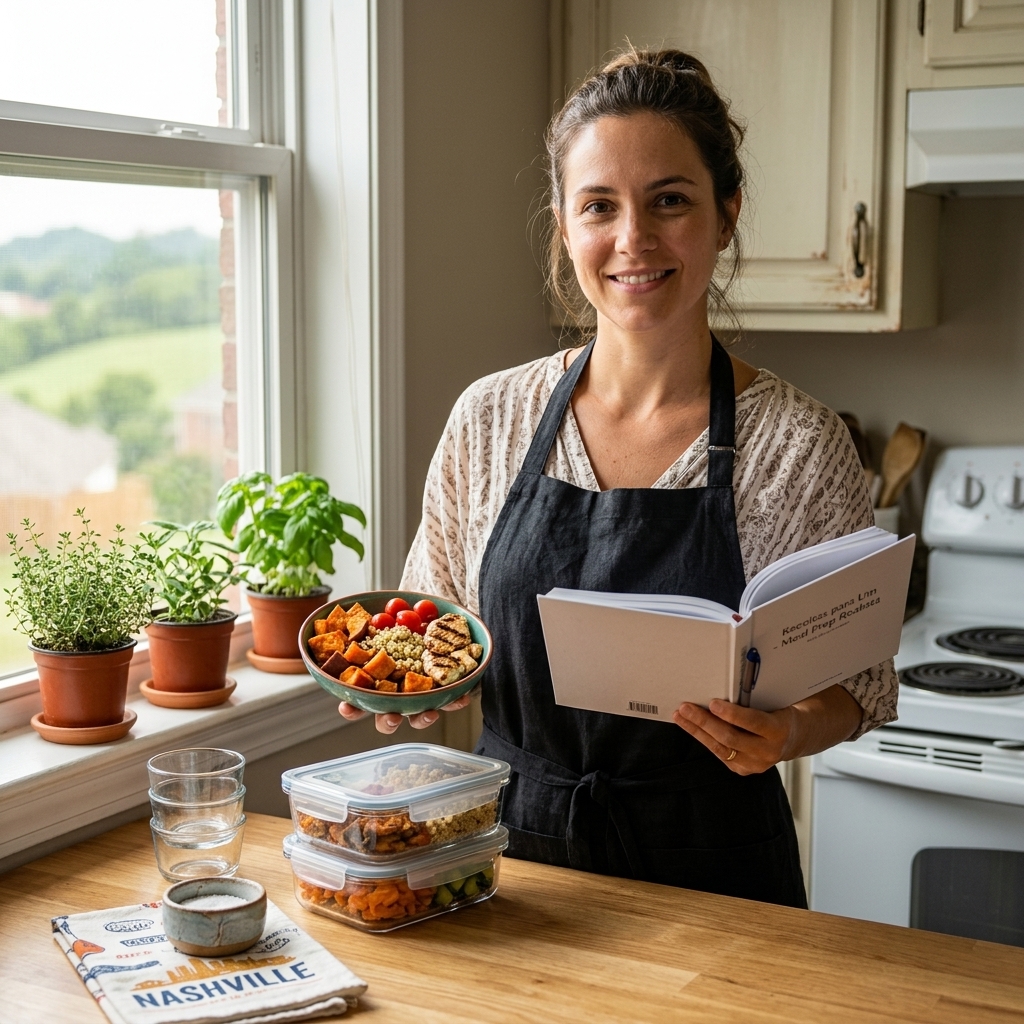
Daniela Amaral writes about meal prep for people who cook for one — realistic recipes, less food waste and less time in the kitchen. Based in Nashville, Tennessee, she’s spent years figuring out how to cook for herself without the boredom or the leftovers pile-up.