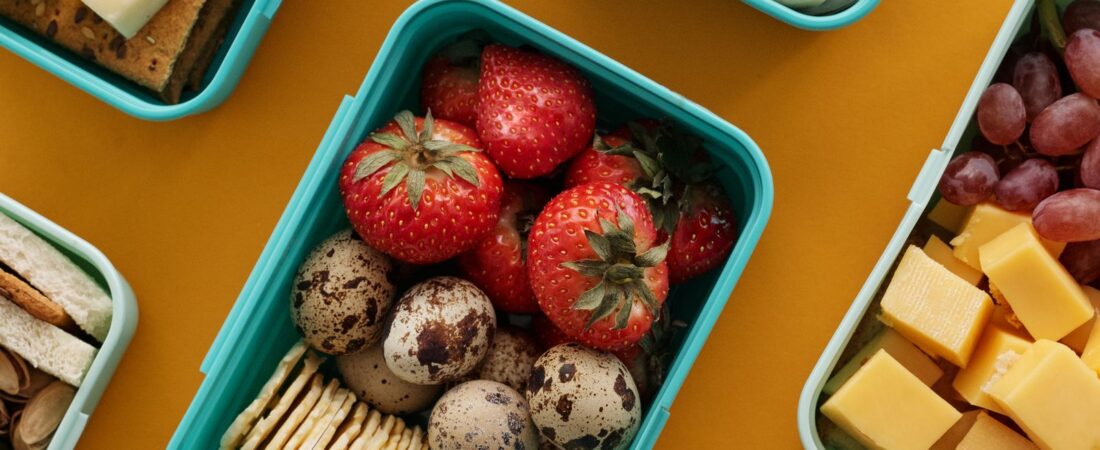
You finally commit to meal prepping, cook a great batch of food, and then spend ten minutes digging through a cabinet of mismatched lids trying to find one that actually fits, because you never picked out real meal prep containers for one in the first place. Half your containers stain orange from tomato sauce, one warps every time it goes in the microwave, and the “airtight” seal on another hasn’t been airtight in months. The food isn’t the problem. The containers are.
Buying the right containers is one of the cheapest upgrades you can make to a one-person kitchen, and it’s also one people skip because it feels like a minor detail. If you’re just getting your routine set up, our complete beginner’s guide to meal prepping for one covers the basics; this guide goes deep on the containers themselves, since they quietly determine whether your prepped food stays good or gets tossed.
Why the Right Container Actually Matters
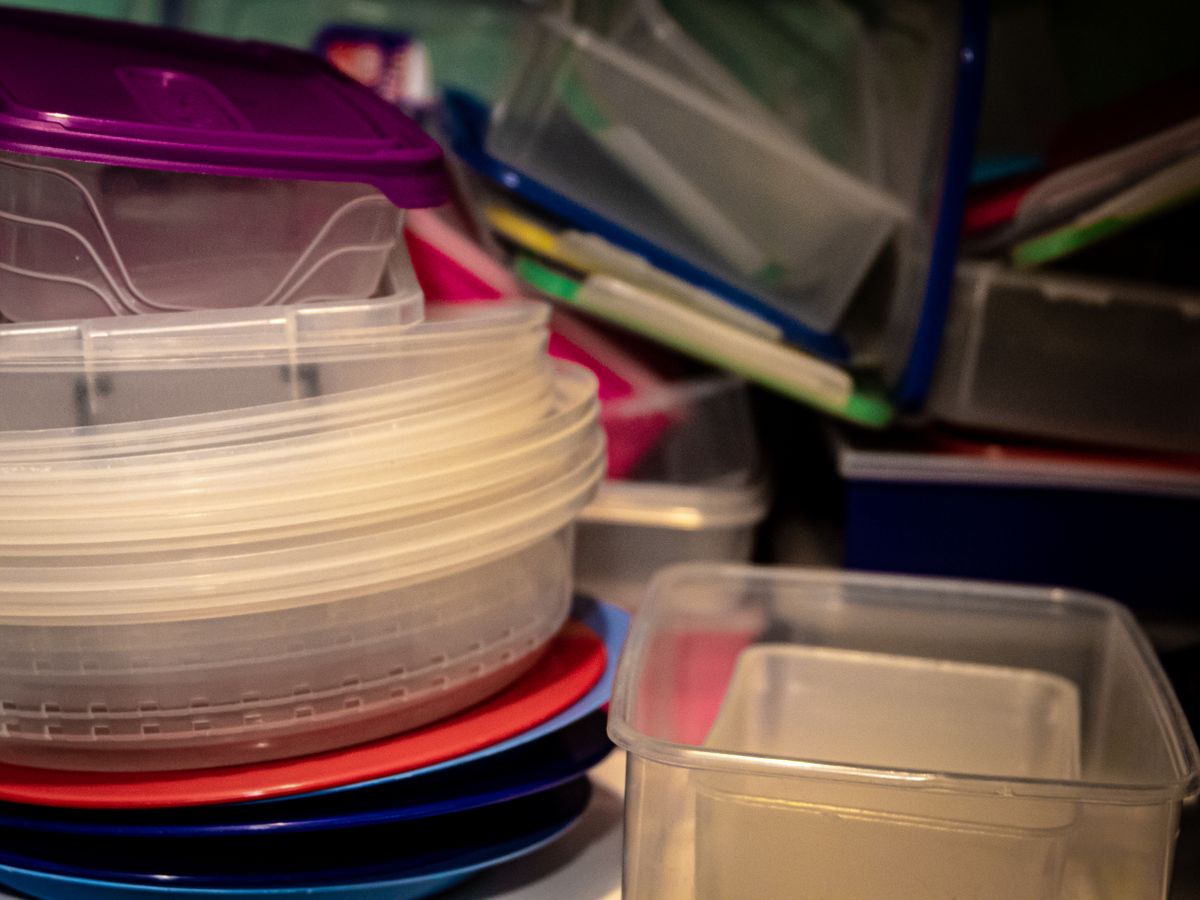
A container that doesn’t seal properly lets air in, which speeds up spoilage and dries out food faster than it should in the fridge. A container that’s the wrong size either wastes fridge space stacking awkwardly, or tempts you to overfill a single-serving container into a two-serving portion, which quietly wrecks your portion control. And a mismatched lid drawer is enough friction that some people just stop prepping altogether, not because the food was bad, but because the packaging was annoying.
Glass vs. Plastic for Single Servings
Both materials work well for one-person meal prep, and the right choice depends more on your habits than on any hard rule. Glass containers don’t stain or absorb odors from tomato sauce or curry, they go straight from freezer to oven in most cases, and they tend to outlast plastic by years. The tradeoffs are weight and breakage risk, which matters if you’re carrying lunch to work daily. Plastic containers are lighter, cheaper to replace, and safer to drop, but lower-quality plastic can stain, warp in the microwave, and needs replacing every year or two once the seals wear out.
A practical middle ground many solo cooks land on: glass for anything you’ll reheat directly in the container, like soups, stews, and sauced dishes, and lightweight plastic for dry or room-temperature items like salads, grain bowls, or snacks you’re carrying somewhere.
Meal Prep Container Specs That Actually Matter
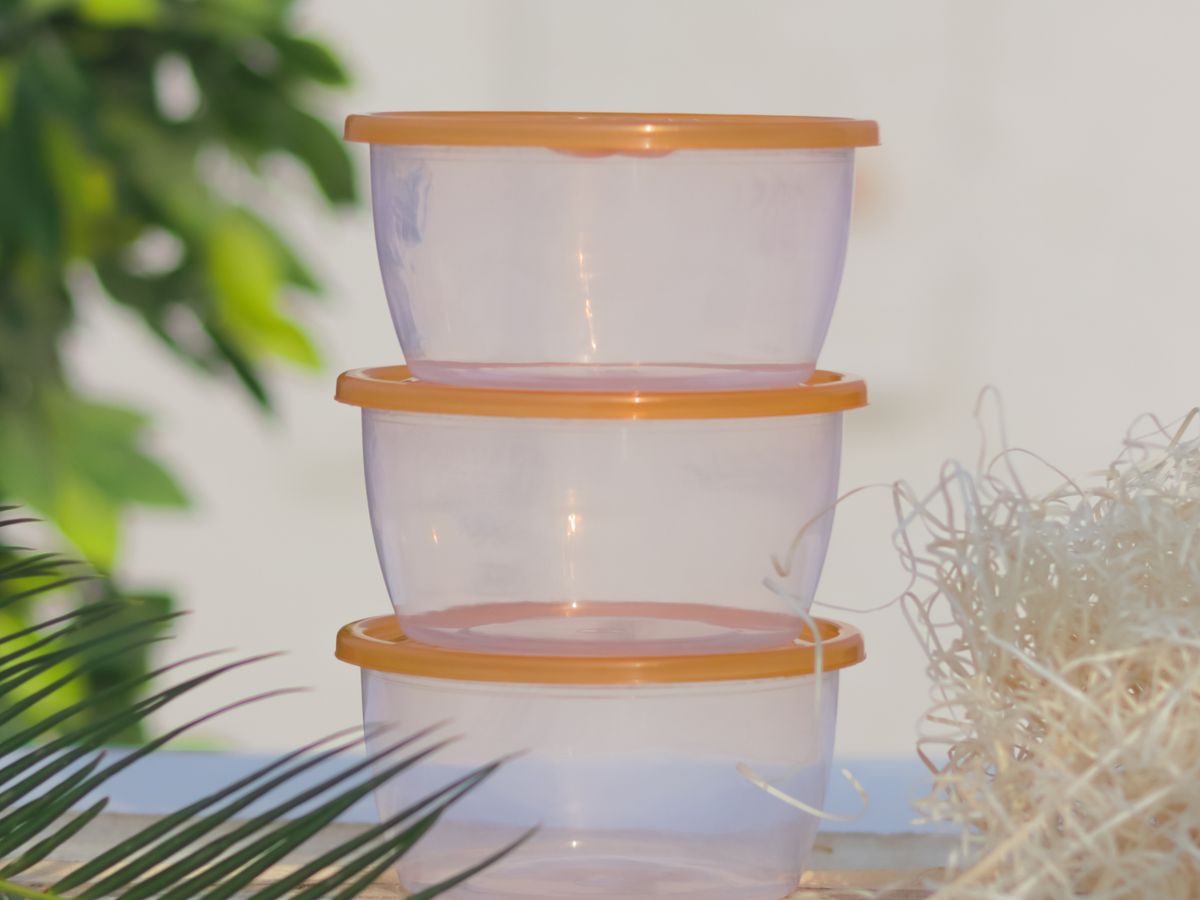
Ignore the marketing on “meal prep systems” and focus on four specs instead. First, a genuinely leak-proof seal, usually a silicone gasket built into the lid rather than a flat plastic-on-plastic fit; test one before buying a full set by filling it with water and turning it upside down over the sink. Second, stackability, since containers that nest and stack the same way save real fridge and cabinet space over a full week of prepped meals. Third, microwave and dishwasher safety printed on the container itself, not assumed; check the bottom for the actual symbols rather than trusting the box copy. Fourth, freezer safety if you plan to batch cook, since not every container rated for the fridge is rated to survive freezing without cracking.
The Right Size for One Person
Most single-serving meals fit comfortably in a 2-cup container for a side dish or snack, and a 3 to 4-cup container for a full meal with a protein, a grain, and a vegetable. Buying everything in one size is tempting for simplicity, but having both sizes on hand means you’re not stuffing a small container to bursting or leaving a big one half empty, which is one of the small habits that keeps portions honest.
Compartment vs. Single-Compartment Containers
Divided containers, usually with two or three compartments, keep sauces and wet ingredients from soaking into rice or bread before you’re ready to eat, which matters more for a single portion than it might seem. A rice bowl that sits pre-sauced in the fridge for three days turns mushy well before day three is up, while the same components kept in separate compartments stay distinct until you combine them at reheating time. Single-compartment containers are better suited to dishes that are meant to be saucy from the start, like soups, stews, and curries, where there’s nothing to protect from getting soggy.
A practical approach is keeping both types on hand: divided containers for dry-and-wet combinations like grain bowls and stir-fries, and single-compartment containers for anything already liquid. Trying to force every meal into one style of container is usually what leads to the soggy, sad lunch that makes people give up on meal prepping in the first place.
Freezer-Safe vs. Fridge-Only Containers
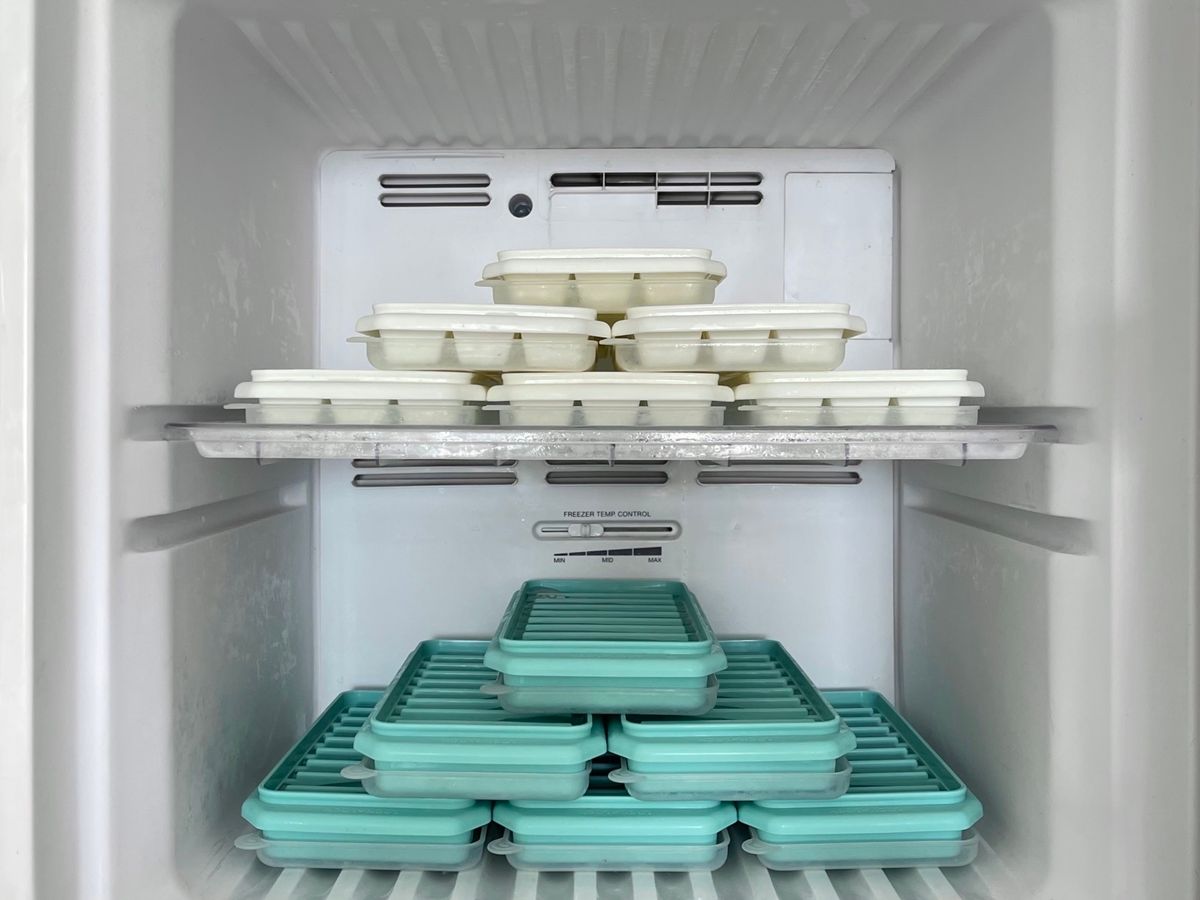
If part of your routine involves batch cooking and freezing portions, as covered in our guide to batch cooking when you live alone, check that your containers are explicitly rated for freezer temperatures before relying on them. Standard glass can crack from the temperature swing between freezer and fridge, so look for “freezer-safe” or “tempered” labeling specifically. Thin, flexible freezer bags are also worth having alongside rigid containers, since they store flat and take up far less freezer space than a stack of round containers for the same amount of food.
Whatever containers you freeze in, label them with the contents and date before they go in, and follow safe timelines once they’re stored: most cooked meals hold their best quality in the freezer for 2 to 3 months, and stay safe indefinitely below 0°F, though texture is what suffers first. For a detailed breakdown by specific food, the USDA’s FoodKeeper tool is worth bookmarking.
Microwave and Dishwasher Safety
Not every container that survives a microwave is actually safe to use in one. Look for “microwave-safe” stamped on the container itself, and avoid reheating in containers that don’t have it, since some plastics can leach chemicals into food when heated, particularly with fatty or acidic foods. The FDA regulates which plastics are approved for food contact and heating, and containers sold specifically as food storage in the US are required to meet those standards, so buying from a known brand rather than an unlabeled bulk listing is worth the small price difference. When in doubt, transfer food to a plain glass or ceramic plate to reheat, and reserve the container for cold storage only.
Reheat leftovers to an internal temperature of 165°F, checked with a food thermometer if you’re unsure, per FDA and FoodSafety.gov guidance, and stir halfway through microwave reheating so the center doesn’t stay cold.
A Simple Starter Set of Meal Prep Containers for One
You don’t need twenty containers to meal prep well, and you definitely don’t need a matching branded system to have good meal prep containers for one. A realistic starter set for one person is: six 3 to 4-cup containers for full meals, four 2-cup containers for sides and snacks, and two freezer-safe containers or a small stack of freezer bags for batch-cooked backups. That combination typically costs $25 to $40 for a decent BPA-free plastic set, or closer to $40 to $60 for glass. If you want a wider variety of quick meals to fill them with, our easy dinners for one collection has ten options sized for exactly this kind of container set.
Common Container Mistakes
The most common mistake is buying whatever’s cheapest without checking for a real seal, then blaming the food when it spoils faster than expected. The second is mixing container sizes so inconsistently that stacking becomes impossible, which turns the fridge into a puzzle every time you put something away. The third is skipping labels; a container in the freezer without a date on it becomes a mystery meal within a few weeks, and mystery meals usually end up in the trash instead of on a plate.
Your Next Step
Go through your current container cabinet and pull out anything without a matching lid, anything visibly warped, and anything you can’t identify the size of at a glance. Building a small, deliberate set of meal prep containers for one is worth the afternoon it takes. Replace what’s missing with a small, consistent set in one or two sizes. That one cleanup, done once, removes a surprising amount of the daily friction that makes meal prepping for one feel harder than it needs to be.
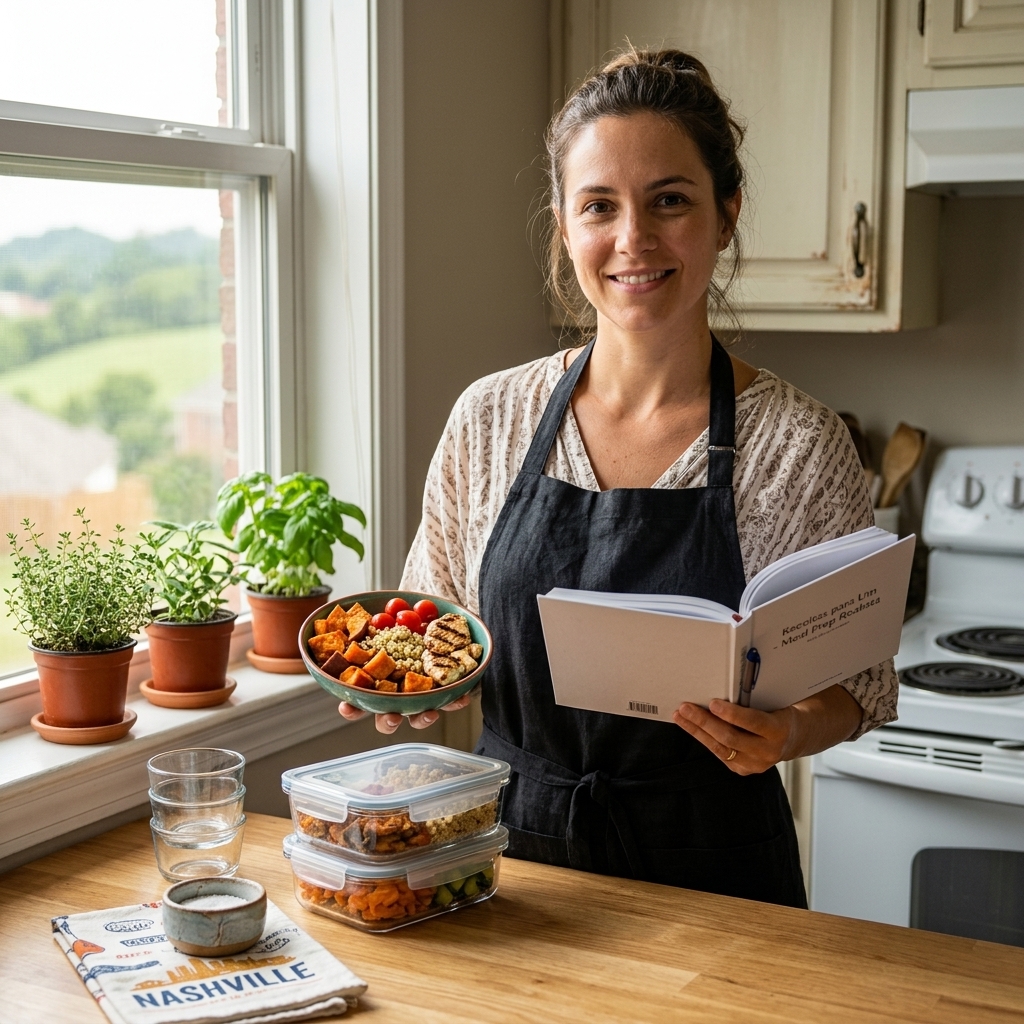
Daniela Amaral writes about meal prep for people who cook for one — realistic recipes, less food waste and less time in the kitchen. Based in Nashville, Tennessee, she’s spent years figuring out how to cook for herself without the boredom or the leftovers pile-up.