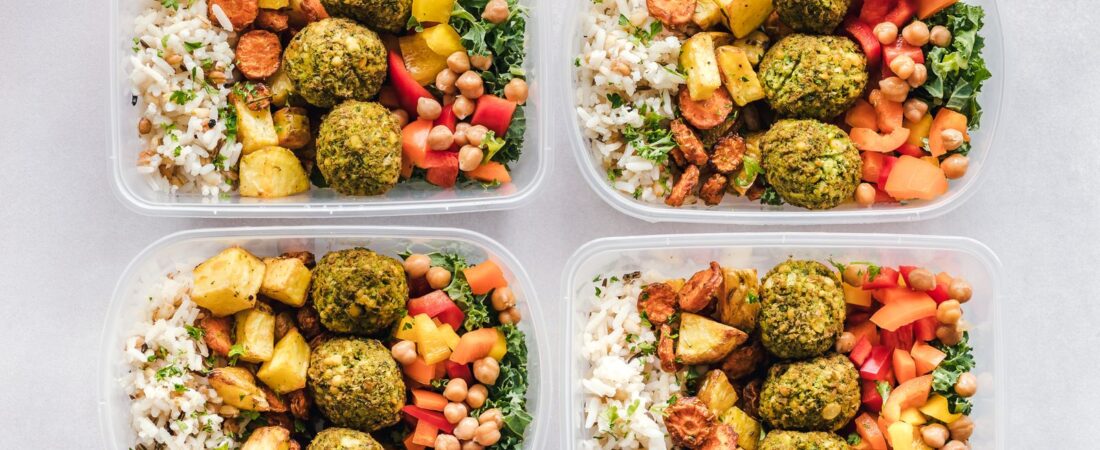
You cook a pot of chili on Sunday night, portion it into containers with the best of intentions, and by Wednesday you’re staring down the fourth bowl in a row, wondering if you can face one more. That’s the real problem most people run into when they start meal prepping for one: nearly every prep guide is written for a family of four, so you either scale everything down badly or end up with a freezer full of mystery containers.
Meal prepping for one isn’t just a smaller version of family meal prep. It needs its own rules around portion sizes, storage times, and variety, so you don’t burn out on your own cooking by Thursday. This guide walks through exactly how to start, without wasting food or losing your whole Sunday afternoon.
Why Meal Prepping for One Is Different
When a recipe serves four, halving or quartering it isn’t as simple as dividing the ingredient list. Spices, salt, and liquids don’t always scale down proportionally, and a single chicken breast cooks in less time than four. On top of that, you’re eating the same dish more times in a row than a family would, since nobody else is sharing the load.
The fix isn’t cooking smaller versions of family meals. It’s building a rotation of two or three different proteins and bases each week, portioned individually from the start, so you’re never more than two days into the same dish.
There’s also a cost side to this. Buying single portions of pre-packaged food at the grocery store usually costs more per ounce than buying in bulk and portioning yourself, so meal prepping for one is often where solo cooks save the most money, even though the upfront grocery bill can look larger on a single trip.
Start With a Realistic Weekly Rhythm
Most people who quit meal prepping for one quit because they tried to cook everything in one exhausting Sunday session. A more sustainable rhythm splits the work.
A Two-Hour Sunday Session
Pick one protein (about 1 to 1.5 pounds, roughly $6 to $9 at most grocery stores) and one starch or grain to batch cook. In about two hours you can roast a tray of vegetables, cook a pot of rice or quinoa, and prepare one protein, which is enough for four to five single-serving meals.
Little-and-Often Prep
If a two-hour block never happens, prep in 20-minute chunks on two or three evenings instead. Chop vegetables one night, cook grains the next, and assemble portions as you go. Either approach works; what matters is picking the one you’ll actually repeat.
The Core Equipment You Actually Need
You don’t need a fully stocked kitchen to meal prep well for one person. A short list of equipment types covers almost everything:
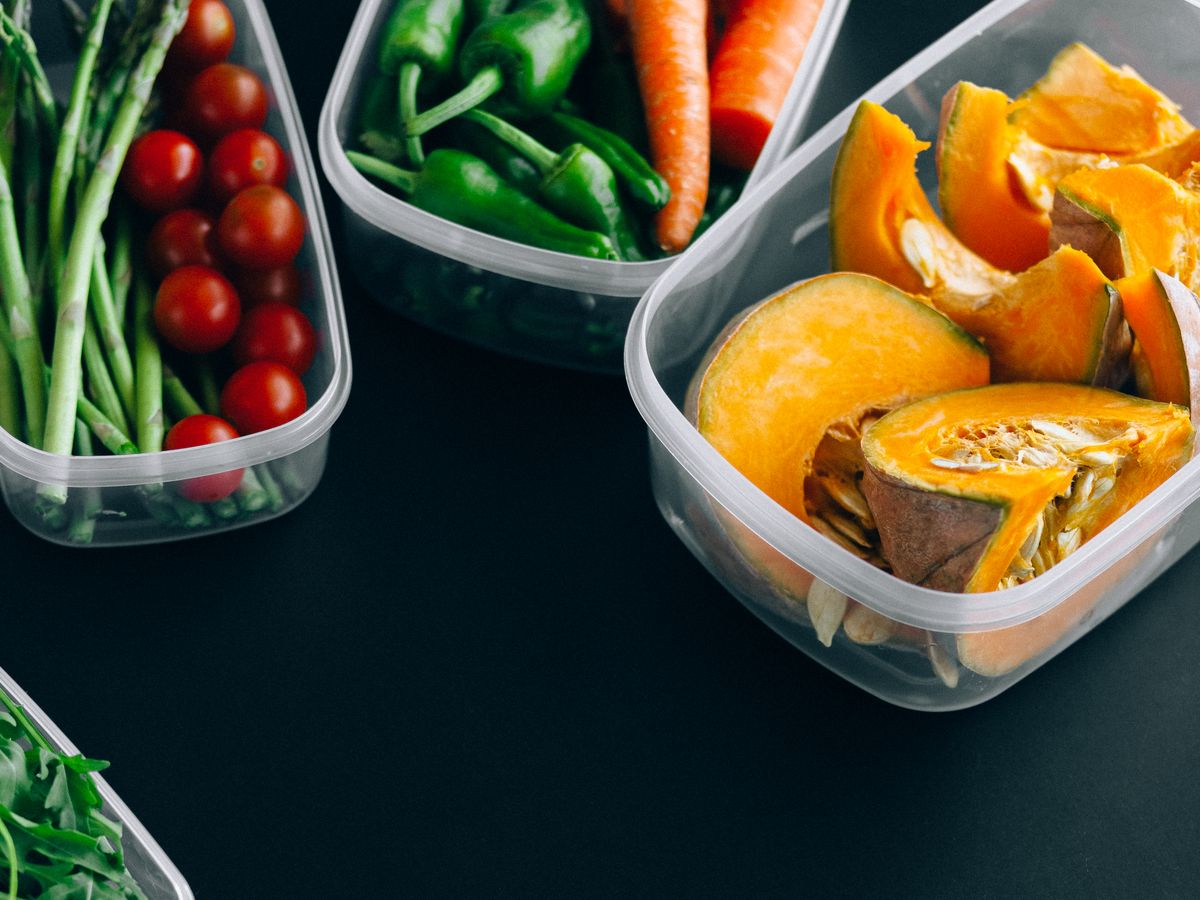
- A set of 8 to 12 single-serving containers (2-cup capacity), in glass or BPA-free plastic
- One sheet pan and one medium saucepan
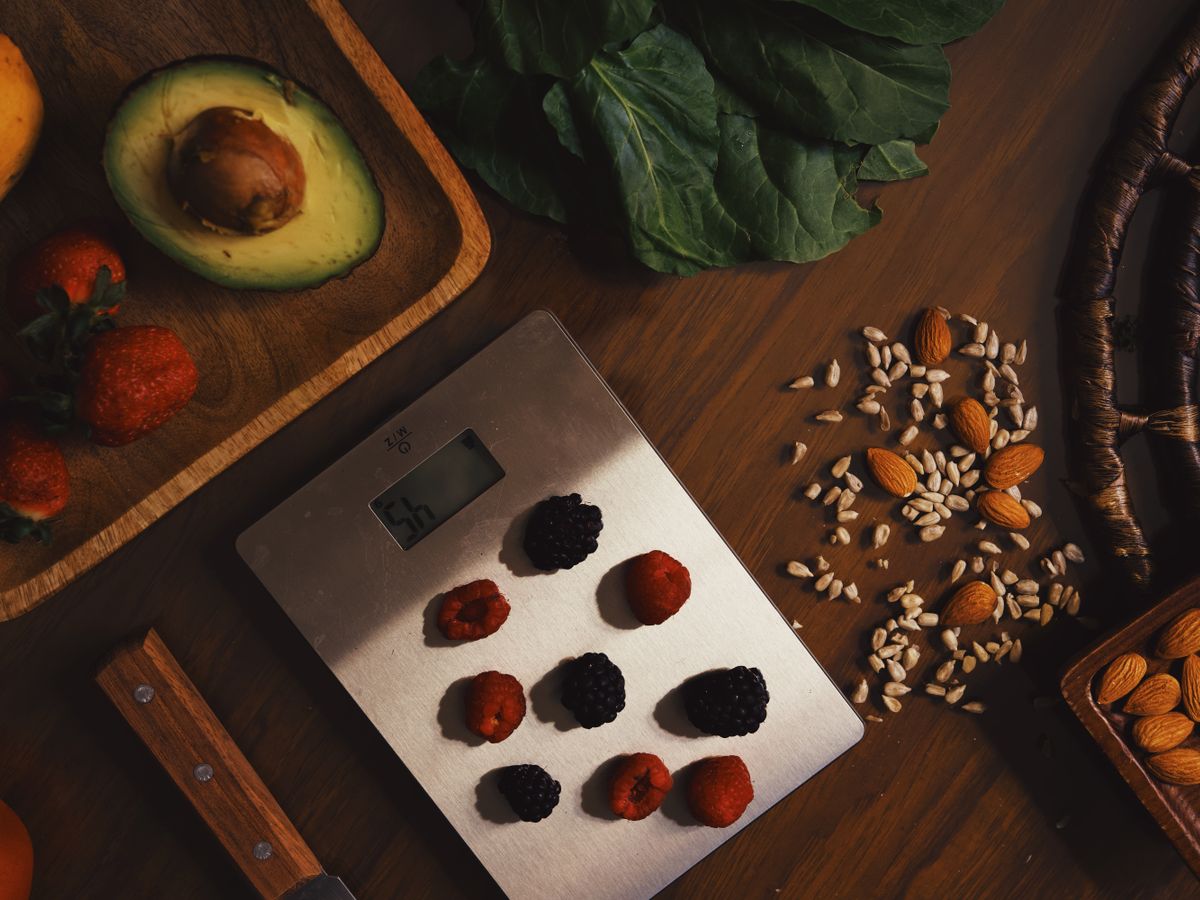
- A digital kitchen scale, useful for portioning proteins and grains accurately
- A few freezer-safe bags or containers rated for temperatures down to 0°F
- A basic set of measuring cups for scaling recipes down
A starter set of containers typically runs $15 to $25, and a decent digital scale is another $10 to $15, so you can get fully equipped for under $40.
Skip anything marketed as a “meal prep system” with dozens of pieces until you know your own habits. Most people who cook for one settle on two or three container sizes they actually reach for, and everything else ends up in a cabinet unused.
How to Scale Any Recipe Down to One Serving
To scale a recipe written for four down to one, divide every ingredient by four, but round seasonings up slightly since small amounts are easy to under-season. A recipe calling for 1 teaspoon of salt for four servings should get about a scant 1/4 teaspoon for one, tasted and adjusted at the end.
For proteins, plan on 4 to 6 ounces of raw meat, poultry, or fish per serving, and about 3/4 cup of cooked grains or 1 cup of roasted vegetables. If you want to double a recipe on purpose so you have backup meals, cook the full batch and freeze the extra portions in individual containers right away, labeled with the contents and date.
Safe Storage Times You Need to Know
This is the part beginners skip, and it’s the reason meal prep sometimes ends with food in the trash instead of the fridge. Cooked leftovers should go into the refrigerator within two hours of cooking (one hour if your kitchen is above 90°F), and most cooked meat, poultry, grains, and vegetable dishes are safe in the fridge for 3 to 4 days.
If you won’t eat a portion within that window, freeze it instead. Most cooked meals hold their quality in the freezer for 2 to 3 months, and stay safe indefinitely below 0°F, though texture starts to suffer after that. When reheating, bring leftovers to an internal temperature of 165°F, checked with a food thermometer, and never leave a thawed container sitting out at room temperature for more than two hours.
A few reheating notes that make a real difference for single portions: a microwave heats unevenly, so stir halfway through and let the container rest a minute before checking the temperature. Soups, stews, and sauces reheat well on the stovetop over medium heat, while roasted proteins and vegetables usually come back better in an oven or toaster oven at 350°F for 10 to 15 minutes, since it keeps them from turning soggy. Thaw frozen portions in the fridge overnight rather than on the counter, since food left at room temperature for more than two hours moves into the temperature range where bacteria multiply fastest.
For the most current, science-backed storage guidelines, the USDA’s FoodKeeper tool is worth bookmarking, since it covers specific storage times for hundreds of individual foods.
Building Variety So You Don’t Get Bored
The single biggest reason people abandon meal prepping for one is boredom, not lack of time. A few habits fix this without adding much extra work:
- Cook one base protein and one base grain, then split them across two different flavor profiles (for example, a garlic-herb version and a spiced version of the same chicken).
- Keep three or four sauces or dressings on hand so the same base ingredients taste different each time.
- Freeze half of any batch immediately, so future-you gets a “new” meal in a few weeks instead of day six of the same pot.
- Rotate cuisines, not just sauces. The same roasted chicken and rice can become a teriyaki bowl, a burrito bowl, or a curry depending on which spice blend and sauce you pair it with that week.
A Simple First-Week Meal Prep Plan
For your first attempt, keep it small. Pick one protein, one grain, and two vegetables, and build five lunches or dinners from those four ingredients using different seasonings.
Example First Week
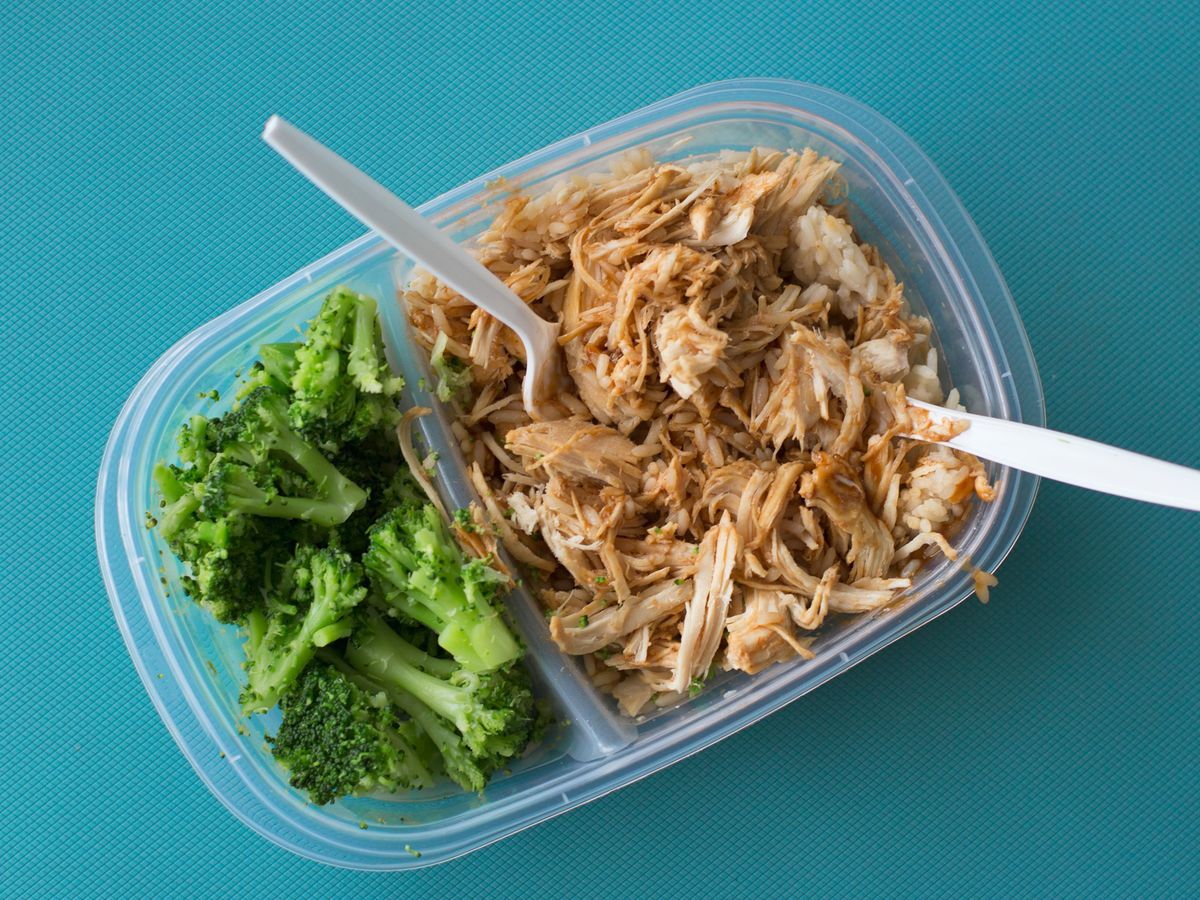
Roast 1.5 pounds of chicken thighs with paprika and garlic, cook 2 cups dry rice, and roast a tray of broccoli and bell peppers. Portion into five containers, adding a different sauce (peanut, salsa, lemon-herb, or barbecue) to each one before sealing. Refrigerate what you’ll eat within four days, and freeze the rest.
What It Costs
That combination runs roughly $18 to $22 total at most grocery stores: about $7 to $9 for the chicken thighs, $2 for rice, and $6 to $8 for the vegetables and sauces. Split across five servings, that’s under $5 a meal, usually less than a single takeout lunch.
Your Next Step
Don’t try to plan a full month of meals on your first weekend. Choose one protein, one grain, and two sauces, prep five portions this week, and pay attention to which combination you actually reach for by Thursday. That’s the real feedback that will shape a meal prep routine you’ll stick with.
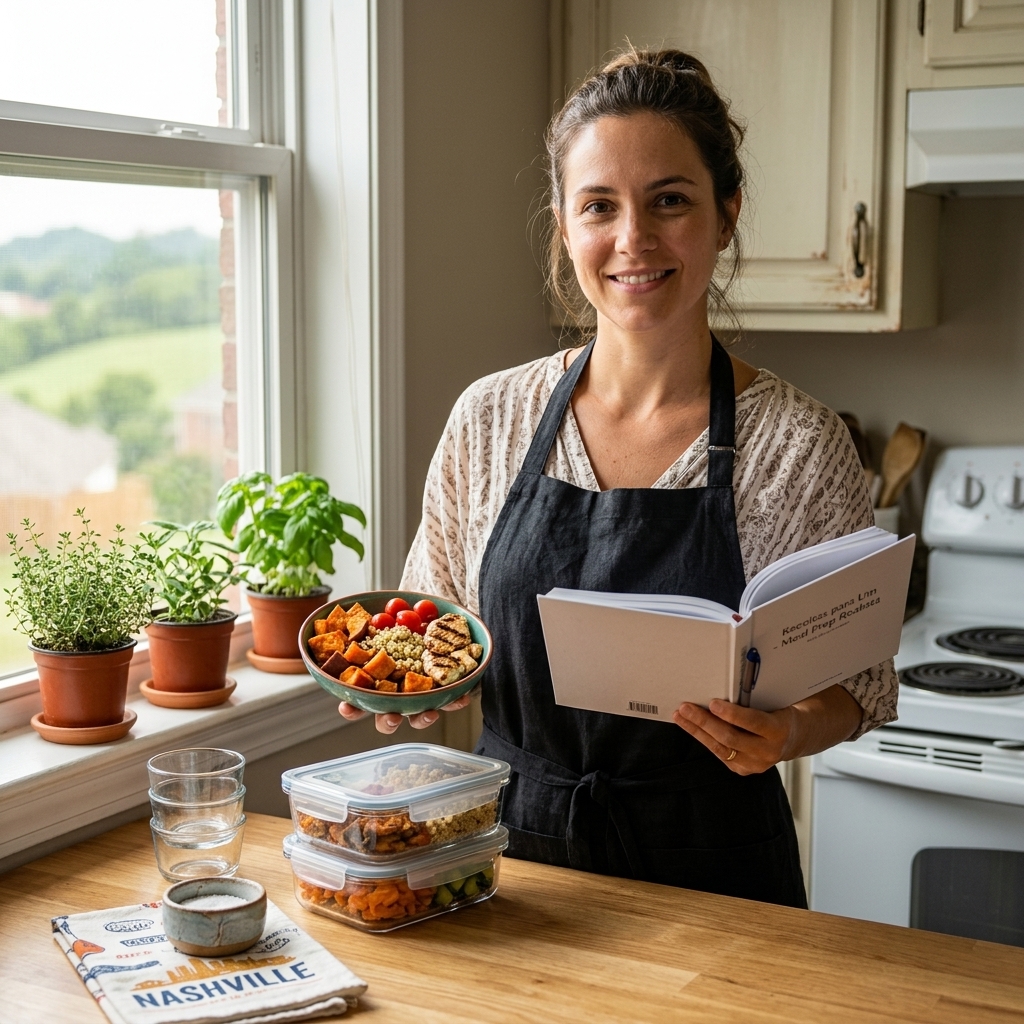
Daniela Amaral writes about meal prep for people who cook for one — realistic recipes, less food waste and less time in the kitchen. Based in Nashville, Tennessee, she’s spent years figuring out how to cook for herself without the boredom or the leftovers pile-up.