
Sunday afternoon, and you’re standing in front of the fridge with a cart’s worth of groceries and no plan for what happens to them. By Tuesday half of it is still untouched, and by Friday the spinach has gone slimy in the crisper drawer. If that sounds familiar, the problem usually isn’t effort. It’s that most meal planning advice assumes you’re feeding four people, and a plan built for one person needs a completely different shape.
Planning a week of meals for one takes about 20 to 30 minutes once you have a system, and it’s the single habit that does the most to cut food waste and stop the nightly “what do I even want to eat” spiral. If you’re just getting started, our complete beginner’s guide to meal prepping for one covers the basics; this guide walks through a five-step planning method built specifically for solo cooking.
Why Planning Alone Is Different From Planning for a Family
When you’re cooking for a household, a plan mostly needs to account for different tastes and bigger quantities. When you’re cooking for one, the real enemy is repetition and spoilage. A bag of spinach or a bunch of cilantro is sized for a family of four to use in two or three meals; for one person, that same bag needs to stretch across five or six meals before it wilts, which means your plan has to actively route ingredients into multiple dishes instead of using them once and letting the rest rot.
The other big difference is portion math. A recipe that serves four gives you built-in leftovers whether you plan for them or not. Cooking for one means every leftover is a decision: eat it again tomorrow, freeze it, or let it become tonight’s takeout excuse. A good weekly plan makes that decision for you in advance.
Step 1: Pick Your Anchor Ingredients First
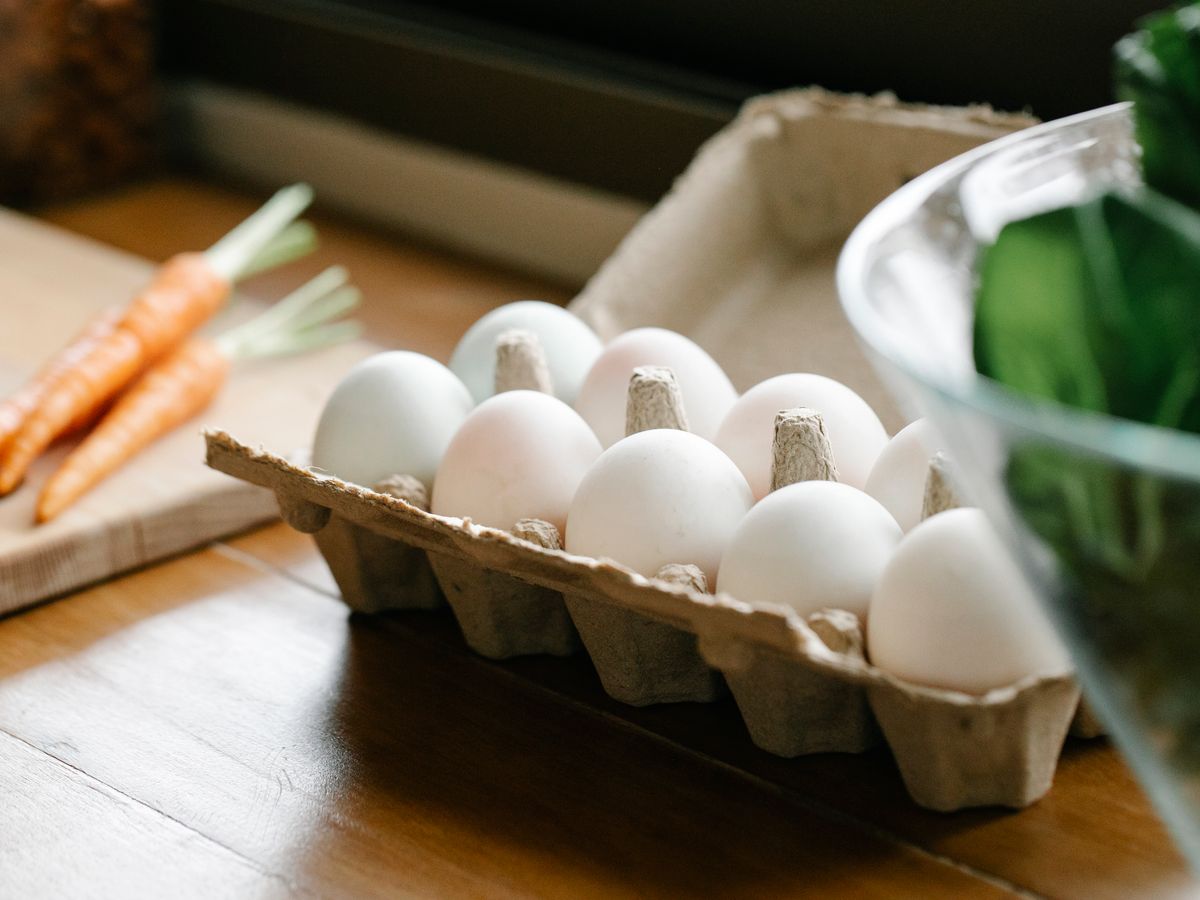
Instead of choosing five separate recipes, start with two proteins and two produce-heavy sides that you’ll reuse across the week. A realistic anchor list looks like: 1.5 pounds of chicken thighs, one dozen eggs, a bag of frozen mixed vegetables, and two sweet potatoes. Buying this way keeps your grocery bill closer to $20 to $25 for the week’s proteins and vegetables, rather than the $40-plus you’d spend buying a different specialty ingredient for every single recipe.
Step 2: Build Three “Shells,” Not Seven Recipes
A shell is a basic combination, like grain plus protein plus vegetable plus sauce, that you can vary daily by swapping one element. Rather than planning seven distinct dinners, plan three shells and repeat each one twice with a different sauce or seasoning blend. For example: a rice bowl shell, a sheet-pan roast shell, and a soup or stir-fry shell. This cuts your planning time roughly in half and means you’re only really deciding on sauces and seasonings during the week, not entire meals from scratch.
Three shells also make your grocery list shorter and cheaper to execute. Instead of shopping for seven unrelated recipes’ worth of specialty items, you’re buying enough of a smaller set of ingredients to stretch across the whole week, which is usually where the real savings show up when you plan a week of meals for one instead of improvising night by night.
A Sample Three-Shell Week
Shell one is a chicken and rice bowl, made twice with different sauces (peanut one night, salsa verde the next). Shell two is a sheet-pan roasted vegetable and egg dinner, made twice with different spice blends (smoked paprika, then curry powder). Shell three is a one-pot soup using the rest of the chicken and vegetables, portioned into two or three servings and frozen for later in the week.
Step 3: Slot Meals Against Your Actual Calendar
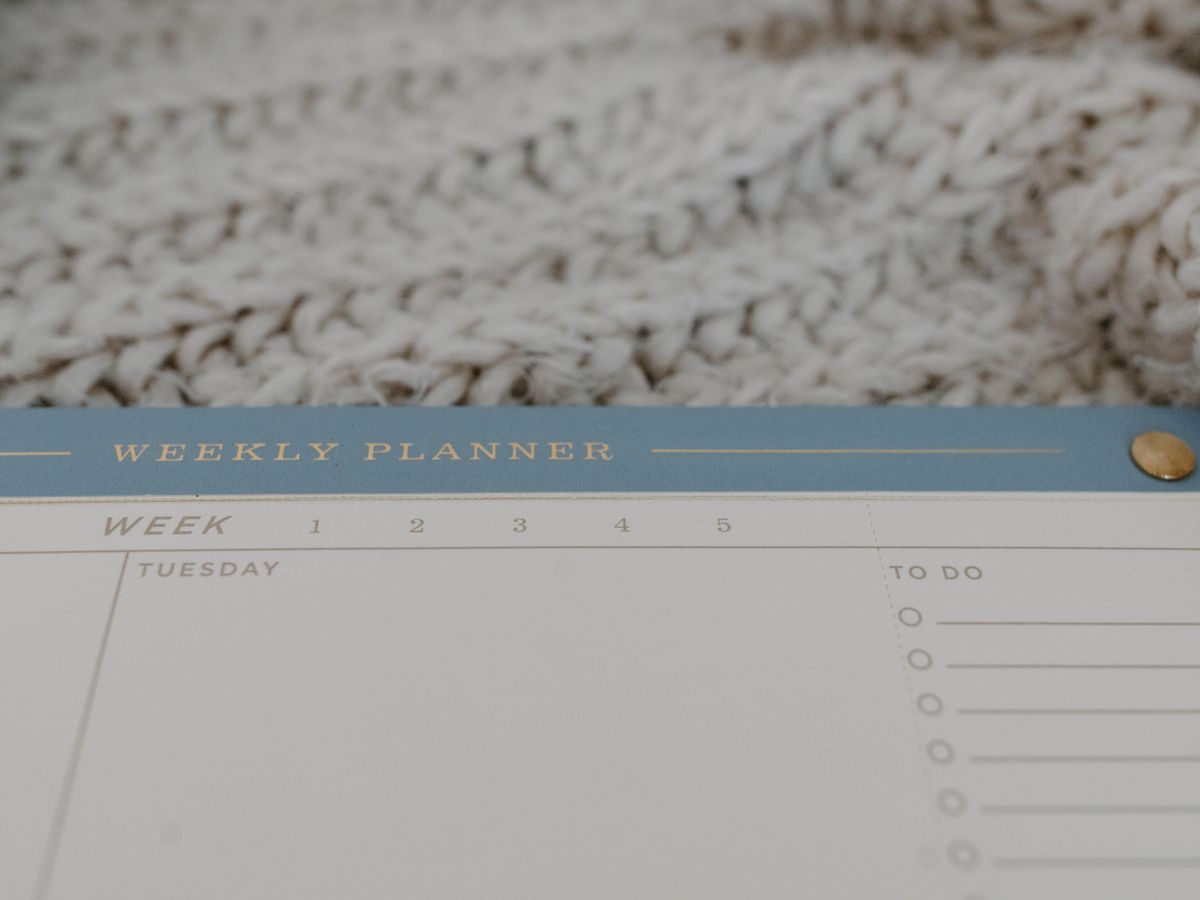
Look at your week before you plan, not after. If you know Wednesday is a late work night, that’s your slot for a freezer meal or a five-minute assembly dinner, not the night you planned to cook a new recipe from scratch. Map it out loosely:
- Sunday: prep day, cook the two proteins and one starch
- Monday and Tuesday: shell one, rotating sauces
- Wednesday: freezer meal or leftovers, no new cooking
- Thursday and Friday: shell two
- Weekend: shell three or a flexible “whatever’s left” meal
This kind of loose slotting matters more for one person than for a family, because there’s no one else around to absorb a night where your plan doesn’t quite match your energy.
Step 4: Write the Grocery List From the Plan, Not the Other Way Around
Once your shells and slots are set, write your grocery list directly from them, checking what you already have in the pantry and fridge first. This single-ingredient-list approach is what actually prevents the classic single-person waste problem: buying a whole bag of carrots for one recipe that only needed two. If a recipe calls for an ingredient you won’t use elsewhere that week, either swap it for something you’re already buying or skip that recipe for this round.
Safe Storage While You Work Through the Week

Planning only helps if the food stays safe to eat by the time you get to it. Cooked leftovers need to go into the refrigerator within two hours of cooking, and most cooked meat, grains, and vegetable dishes are good in the fridge for 3 to 4 days. If your plan has a dish scheduled for day 5 or later, freeze that portion right after cooking instead of leaving it in the fridge and hoping.
Raw chicken and other raw meats should be used or frozen within 1 to 2 days of purchase, per FDA and FoodSafety.gov guidance; if Sunday’s prep session is more than two days after you bought the protein, freeze it Sunday morning and thaw it in the refrigerator the night before you cook. For exact storage windows on specific foods, the USDA’s FoodKeeper tool is a reliable reference to check against your own plan.
Common Mistakes That Blow Up a Weekly Plan
A few habits quietly sabotage even a well-built plan. Buying a full bag or bunch of an ingredient for a single recipe is the most common one; if a dish needs half an onion, plan a second dish later in the week that uses the other half instead of composting it on Friday. Overplanning is another one: seven completely different dinners looks impressive on paper, but it multiplies both your shopping list and your dishwashing, and it’s usually the first thing to fall apart on a tired weeknight.
Skipping a real inventory check before shopping is the third big mistake. It takes two minutes to open the fridge and pantry and note what’s already there, but skipping that step is exactly how people end up with three half-used jars of the same sauce. Finally, planning meals you don’t actually want to eat that week, just because a recipe looked good when you wrote the list, tends to backfire; cravings shift day to day, so leave at least one slot open for whatever you’re actually in the mood for when you get there.
Reheating and Reworking Planned Meals
A weekly plan works best when you treat each cooked component as an ingredient you can reroute, not a finished meal you’re locked into. Reheat proteins and roasted vegetables in a 350°F oven or toaster oven for 10 to 15 minutes to keep their texture, rather than the microwave, which tends to leave them either soggy or rubbery. Grains and soups reheat fine in the microwave in 60 to 90 second bursts, stirred halfway through so the middle doesn’t stay cold.
If you’re bored of a component by day four, change its context instead of forcing down the same plate again. Leftover roasted chicken can become a quick salad topper, a wrap filling, or a soup addition with barely any extra cooking. That flexibility is part of why planning in shells, rather than fixed recipes, holds up better across a full week of solo cooking.
Adjusting the Plan When Life Gets in the Way
No weekly plan survives contact with a canceled dinner, a sudden double shift, or a night you just don’t want chicken again. Build in one flexible night on purpose, ideally a simple pantry-and-freezer meal like eggs and toast or a frozen portion from a previous week, so an off night doesn’t collapse the whole plan or push you toward ordering delivery. The goal isn’t a perfect week; it’s a plan you can bend without breaking.
Your Next Step
Pick two proteins and two vegetables for this week, sketch three shells around them, and slot them loosely against your actual calendar before you shop. That’s the whole method. Once you’ve done it two or three times, the 20-minute planning session becomes closer to 10, and grocery waste starts dropping almost immediately.

Daniela Amaral writes about meal prep for people who cook for one — realistic recipes, less food waste and less time in the kitchen. Based in Nashville, Tennessee, she’s spent years figuring out how to cook for herself without the boredom or the leftovers pile-up.