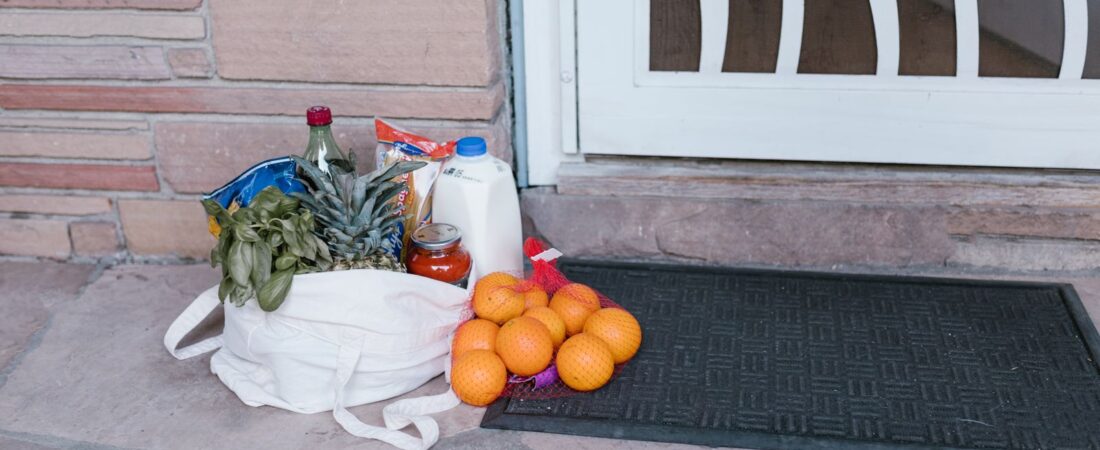
You buy a whole bag of onions for a recipe that needed half of one. The celery goes limp before you use the other three stalks. The family-size yogurt tub is still two-thirds full when the sell-by date hits. Grocery shopping for one isn’t actually more expensive than shopping for a family, ounce for ounce, but it’s much easier to waste money on food you never eat, because almost every package on the shelf is sized for more than one person.
The fix isn’t to eat less variety or skip fresh food. It’s to shop with a short list of habits built specifically for a one-person kitchen. If you haven’t set up your basic routine yet, our complete beginner’s guide to meal prepping for one is a good place to start; this guide focuses specifically on the grocery store side of things, where most of the waste actually begins.
Why Grocery Shopping for One Feels Wasteful
Most packaged food, from produce bags to family-size proteins, is priced and sized around a household of three or four. When you buy the same package but only need a quarter of it, you’re not getting a worse deal on paper, but you are taking on a much higher risk that the rest goes bad before you get to it. Waste, not price, is where solo shoppers actually lose money.
The habits below aren’t about buying less food. They’re the core of smart grocery shopping for one: buying food in a shape that matches how one person actually eats through a week, so more of what you pay for ends up on a plate instead of in the trash.
Write Your List Before You Shop, Not While You’re There

Open your fridge and pantry for two minutes before you write anything down. Note what’s already there and close to needing to be used, and build your list around finishing those items first. Then write your list by meal, not by ingredient category: instead of a vague “vegetables” line, write “broccoli for stir-fry, bell pepper for fajitas,” so every item on the list has a specific job. If it doesn’t have a job, it doesn’t go on the list.
This single habit, done consistently, is the biggest lever for cutting grocery waste when you’re shopping for one. Impulse items without an assigned meal are exactly the ones that end up forgotten in the back of the crisper drawer.
Buy Produce in Amounts You’ll Actually Use
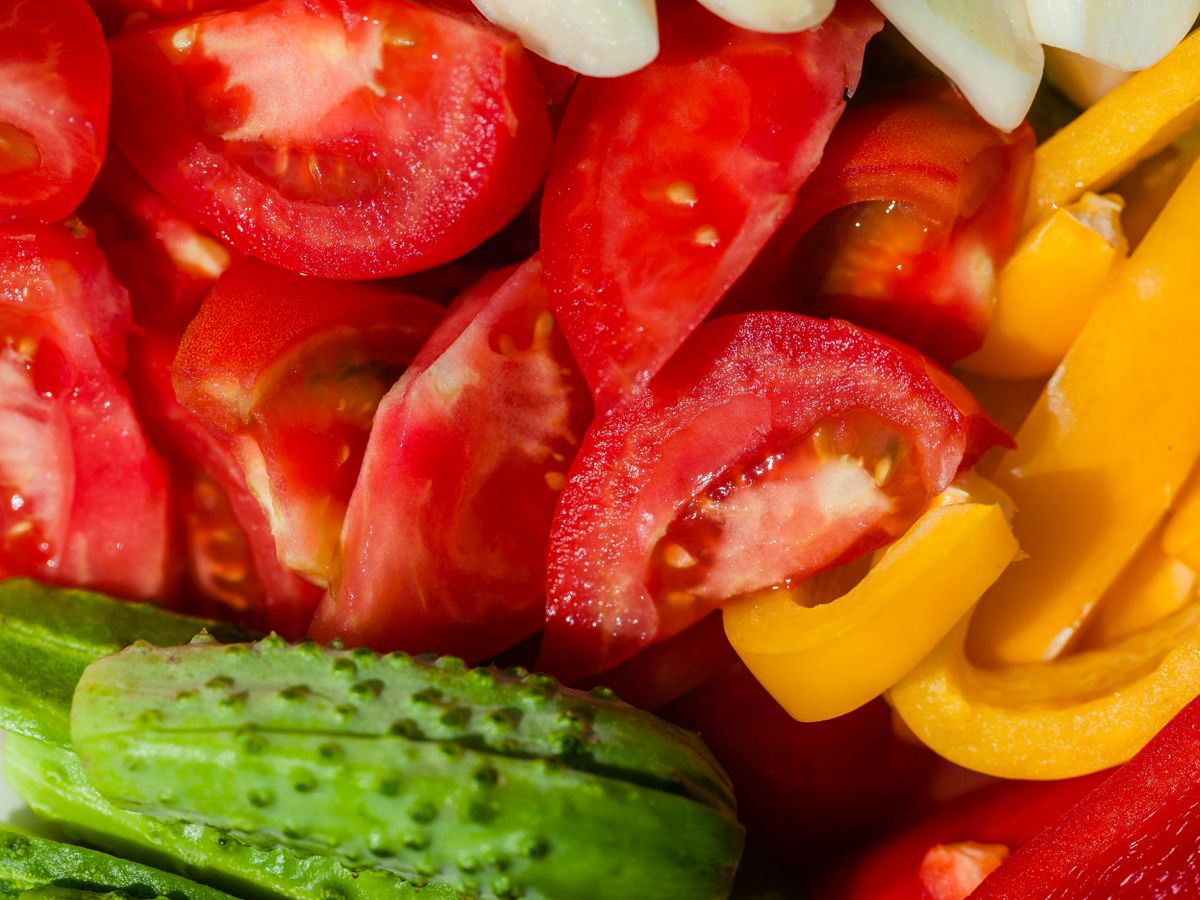
Loose produce, sold by the piece or from a bulk bin, is almost always a better fit for one person than a pre-bagged five-pound sack. Buy two onions instead of a five-pound bag, one bell pepper instead of a three-pack, and a small bunch of bananas instead of the large one. Most grocery stores stock the same produce both ways; the loose option usually costs a bit more per pound, but it costs far less once you account for what actually gets eaten versus what gets composted.
Frozen and Canned Are Not Cheating
Frozen vegetables, frozen fruit, and canned beans and tomatoes are portioned by nature: you scoop out exactly what you need and the rest waits, sometimes for months, without spoiling. For a one-person kitchen, keeping a rotating base of frozen vegetables and canned beans on hand means you’re never stuck buying fresh produce you won’t finish just to round out a meal. Frozen produce is also typically flash-frozen at peak ripeness, so the nutrition difference between fresh and frozen is smaller than most people assume.
Understand Unit Pricing, the Real Way to Compare
The sticker price on a package tells you almost nothing about whether it’s a good deal for one person. The small print underneath, usually listed as price per ounce or per unit, is what actually matters. A larger package often has a lower unit price, but if you’ll only use a third of it before it spoils, the smaller, slightly more expensive package is the better deal in practice. Get in the habit of glancing at the unit price on shelf tags, especially for staples you buy every week like rice, pasta, and canned goods, where the per-unit savings on a larger size are genuinely worth it since those items don’t spoil.
The math changes based on whether the food is shelf-stable or perishable. For a case of canned beans or a bag of rice, buy the bigger size; for fresh herbs, berries, or a cut of meat you won’t cook that week, the smaller size almost always wins once waste is factored in.
Shop the Perimeter First, Then Make Deliberate Trips Down the Aisles
Grocery shopping for one gets easier once you understand the store’s own layout. Most grocery stores are laid out with fresh food, produce, dairy, and meat, around the outer walls, and shelf-stable packaged goods filling the inner aisles. Shopping the perimeter first, working from your list, means you fill your cart with the freshest, most meal-specific items before you’re tempted by end-cap displays and sale signage in the aisles. Once you’ve covered the perimeter, go into the aisles only for the specific pantry items your list calls for, rather than wandering and grabbing things that look good.
If you want more structure for turning what you buy into an actual week of dinners, our guide on planning a week of meals for one walks through matching a grocery trip to a real weekly schedule, so nothing you bought sits unused.
Safe Storage Starts the Moment You Get Home
Money spent avoiding food waste at the store can still be lost in the fridge if groceries aren’t stored correctly once you’re home. Refrigerate perishables, meat, dairy, and cut produce, within two hours of leaving the store, or within one hour if it’s a hot day and groceries sat in a warm car. Raw chicken, beef, and pork should generally be used or frozen within 1 to 2 days of purchase; if you know you won’t cook a protein that quickly, freeze it as soon as you get home rather than letting it sit in the fridge past its safe window, per FDA and FoodSafety.gov guidance.
For exact storage windows on specific items, from fresh herbs to deli meat, the USDA’s FoodKeeper tool is worth checking, especially for anything you don’t buy often enough to know its shelf life by heart. If you batch cook what you bring home, our guide to batch cooking when you live alone covers how to portion and freeze it so none of that grocery trip goes to waste.
A Sample Grocery List for One Person’s Week
A realistic single-person list, built around three shells rather than seven separate recipes, looks like: 1.5 pounds of chicken thighs, a dozen eggs, two bell peppers, one bunch of broccoli, two onions, a small bag of spinach, a bag of frozen mixed vegetables, a can of black beans, 2 cups of dry rice, and a jar of salsa. That list typically runs $25 to $32 depending on local prices, and covers roughly five to six dinners once you start mixing components across meals instead of cooking one recipe per grocery item.
Notice what’s missing: nothing on that list is a single-use specialty ingredient bought for one recipe and never touched again. Every item shows up in at least two different meals across the week.
Common Grocery Mistakes That Waste Money and Food
The most common mistake is shopping hungry or without a list, which reliably leads to buying food that looks appealing in the moment but doesn’t fit any planned meal. The second is stocking up on a “deal” for a perishable item you won’t finish before it spoils; a two-for-one sale on fresh berries isn’t a deal if half of them end up in the trash. The third is skipping the pantry and fridge check before you shop, which is how people end up buying a third jar of a sauce they already have two of at home.
One more worth naming: buying pre-cut or pre-portioned convenience packaging out of habit, even when it costs two to three times more per ounce than the whole version. A little extra prep time at home, chopping a whole onion instead of buying it pre-diced, is often the easiest way to cut your weekly grocery bill without changing what you actually eat.
Your Next Step
Before your next grocery trip, open the fridge and pantry first, write a list where every item has an assigned meal, and buy produce loose rather than in a big bag whenever the store offers the choice. Small changes like these are what make grocery shopping for one feel manageable instead of wasteful. Those three habits alone are usually enough to notice less food going to waste by the end of your very first week.
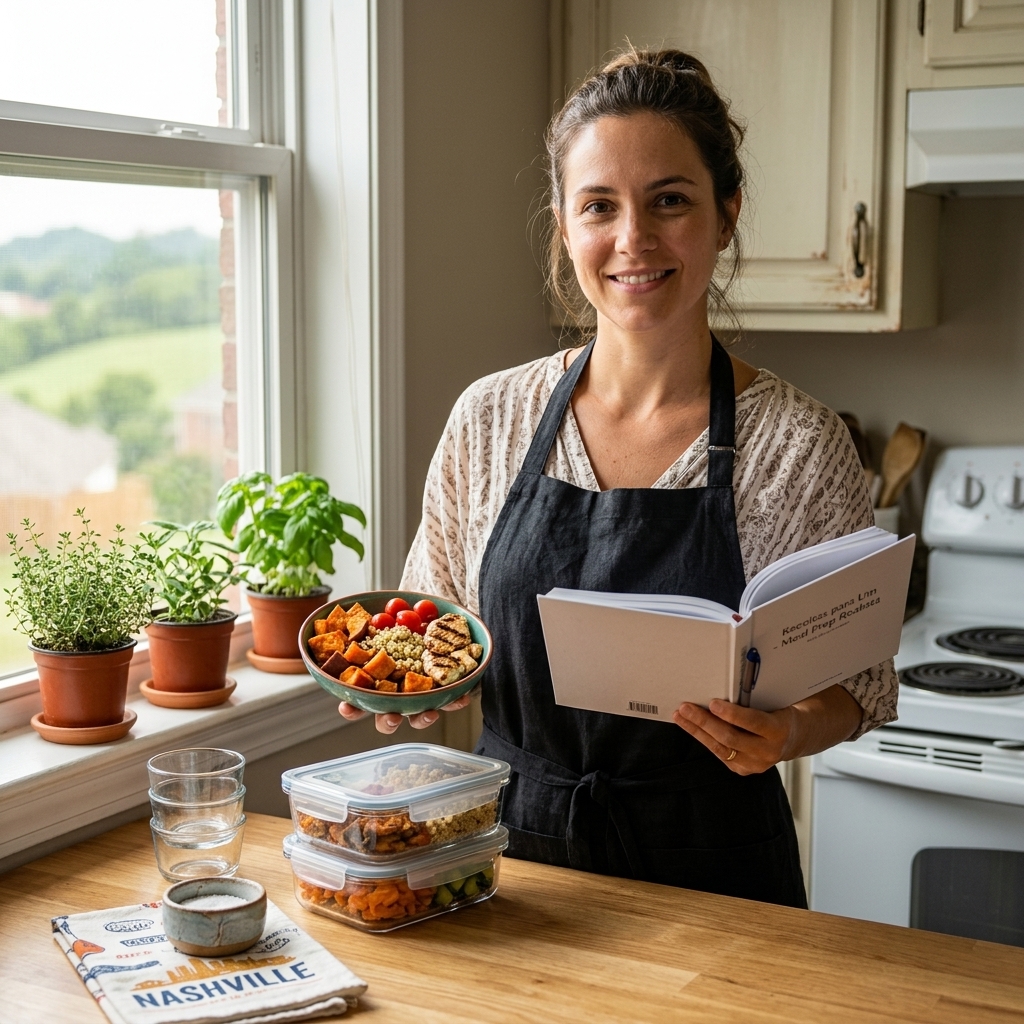
Daniela Amaral writes about meal prep for people who cook for one — realistic recipes, less food waste and less time in the kitchen. Based in Nashville, Tennessee, she’s spent years figuring out how to cook for herself without the boredom or the leftovers pile-up.