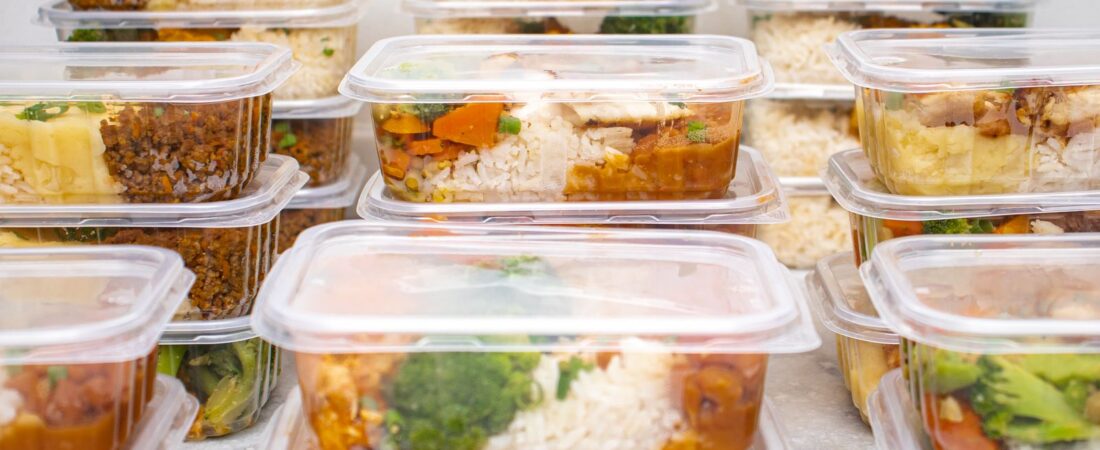
You spend Sunday afternoon roasting a giant tray of chicken thighs, cooking a pot of rice, and portioning it all into eight identical containers. By Wednesday you can’t face container number five. By Friday, two containers are still sitting in the back of the fridge, and you’re ordering takeout instead. That’s not a batch cooking failure on your part; it’s what happens when a technique built for feeding four different people gets used to feed one person the exact same plate five nights in a row.
Batch cooking still works when you live alone, and it’s still one of the best ways to save time and money in the kitchen. It just needs a different structure. If you’re brand new to cooking for yourself, our complete beginner’s guide to meal prepping for one covers the basics of portioning and storage; this guide focuses specifically on how to batch cook without staring down the same bowl every single night.
Why Batch Cooking for One Backfires
When a family batch cooks, variety happens automatically. Different people build different plates from the same pot of chili or tray of roasted chicken, and nobody eats the exact same combination twice. When you’re cooking for one, “batch cooking” usually means one dish, cooked once, eaten identically five or six times in a row. The food itself isn’t the problem; the repetition is.
The fix isn’t to give up on batch cooking. It’s to batch the pieces of meals instead of the meals themselves, so one cooking session can become five genuinely different dinners instead of five copies of the same one.
Build Batches by Component, Not Dish
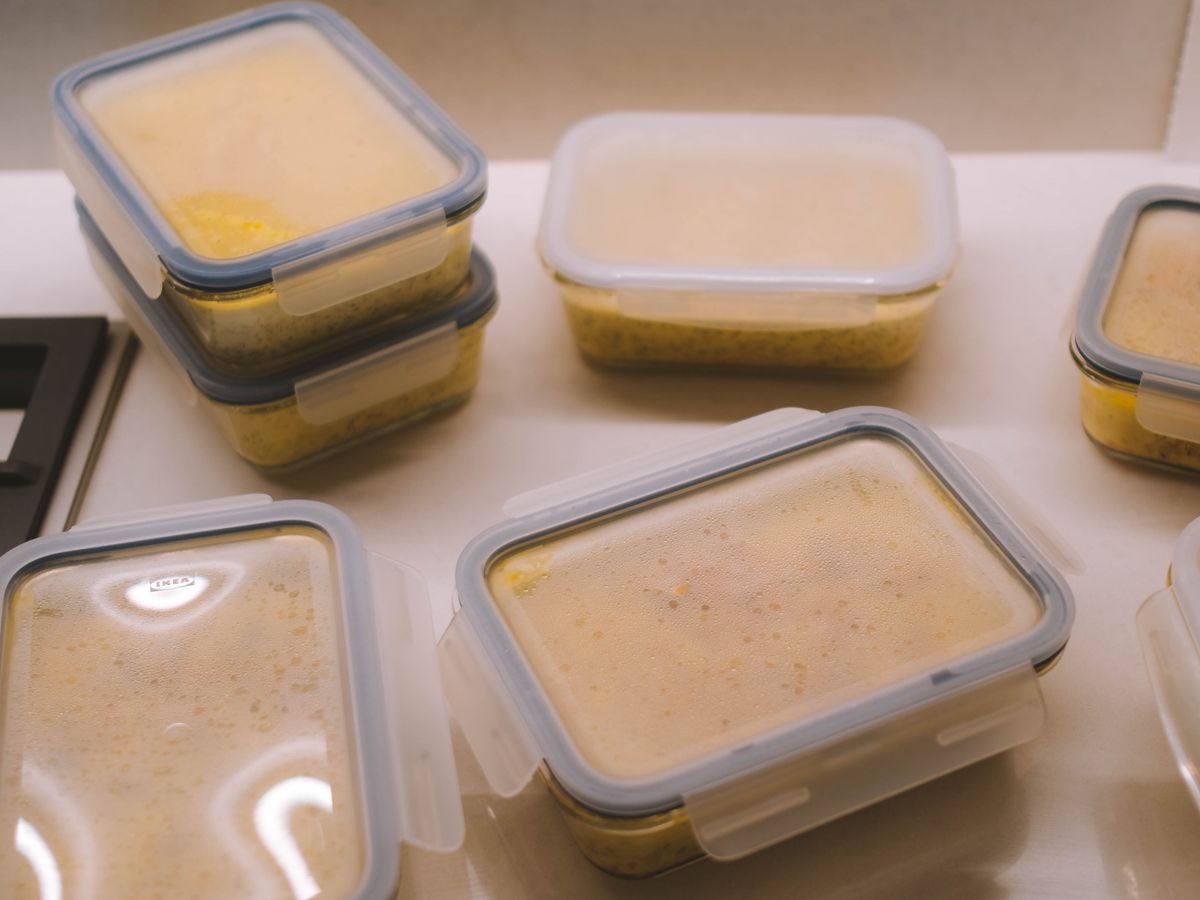
Instead of cooking one finished recipe in bulk, batch cook three separate components in a single 90-minute to two-hour session: one protein, one grain or starch, and one vegetable. Store each one in its own container rather than combining them into pre-built meals. That single choice is what lets you eat something different every night from the same three ingredients, since you’re assembling a new combination each time instead of reheating an identical plate.
A Sample Component Session
A realistic single-person batch looks like: 2 pounds of chicken thighs, seasoned simply with salt, pepper, and oil, roasted at 425°F for about 35 minutes; 3 cups of dry rice or another grain, cooked according to package directions; and 2 pounds of a roastable vegetable, like broccoli, cauliflower, or bell peppers, tossed with oil and roasted alongside the chicken. That single session, usually costing $20 to $28 depending on local prices, produces enough components for five to seven meals once you start mixing and matching sauces and sides.
The Freeze-Now vs. Fridge-Now Rule
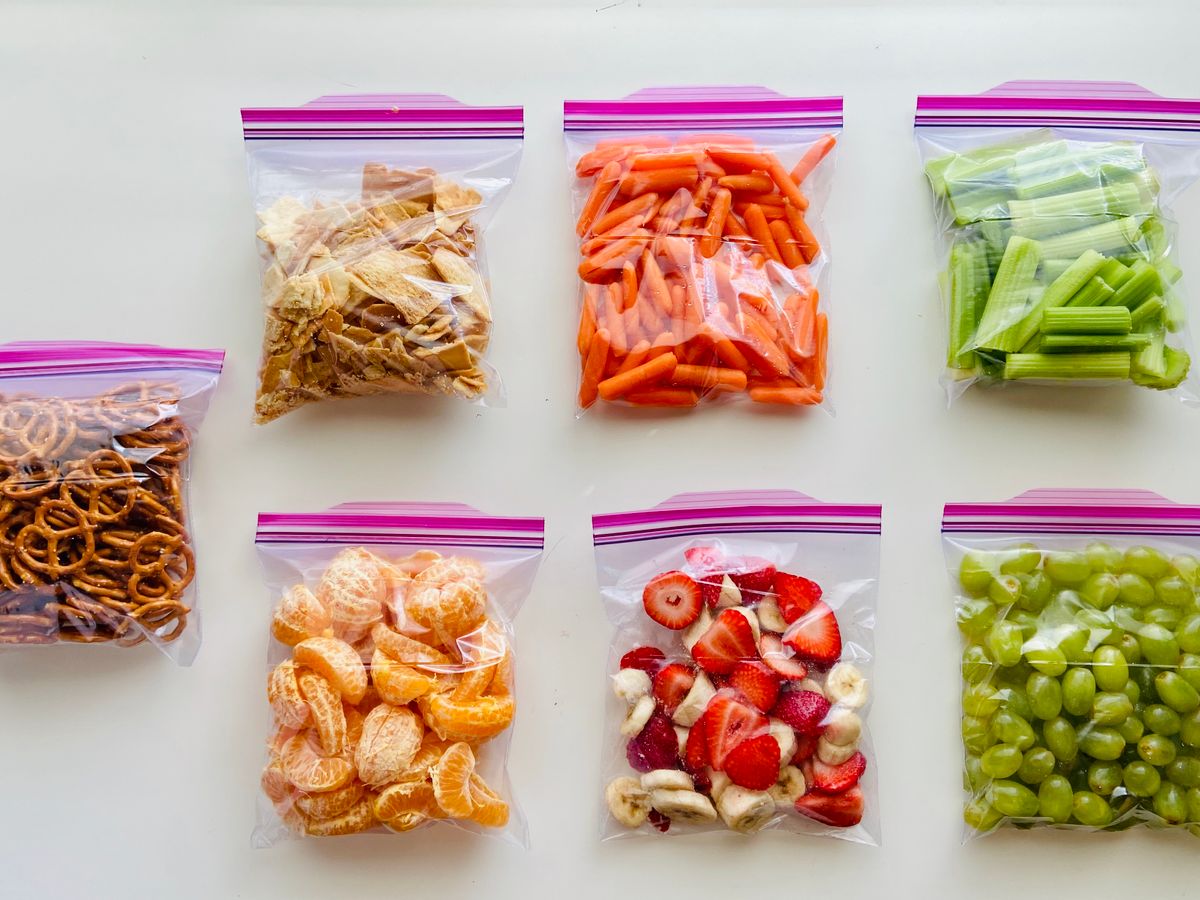
As soon as a batch comes off the stove or out of the oven, decide right then which portions you’ll actually eat within the next 3 to 4 days and which ones need to go straight into the freezer. Don’t leave that decision for later in the week; by the time you notice a container has been in the fridge for five days, the safe window has already closed. Cooked chicken, grains, and roasted vegetables all need to hit an internal temperature of 165°F if you’re reheating from cold, and leftovers should go into the fridge within two hours of cooking, per FDA safe cooking temperature guidance.
A simple rule that removes the guesswork: eat within 3 to 4 days, or freeze immediately, never in between. Most cooked proteins and grains hold their quality in the freezer for 2 to 3 months. Thaw frozen portions in the refrigerator overnight rather than on the counter, since food sitting at room temperature for more than two hours moves into the range where bacteria multiply fastest. The USDA’s FoodKeeper tool is worth checking if you’re unsure about a specific ingredient’s safe storage window.
Three Ways to Remix One Batch Into Five Different Meals
Once your components are portioned and stored separately, the actual variety comes from how you combine and season them each night, not from cooking something new. A few reliable moves: rotate the sauce (peanut sauce one night, salsa verde the next, a squeeze of lemon with herbs the night after), rotate the format (a rice bowl on Monday, a wrap on Tuesday, a quick soup with broth and the same chicken and vegetables on Wednesday), and rotate the cuisine lean (the same roasted chicken and rice becomes a teriyaki bowl with soy sauce and sesame oil, or a burrito bowl with salsa and lime). If you want more fast, complete recipes to build around your batched components, our easy dinners for one collection has ten options that come together in 20 minutes or less.
Safe Storage and Reheating Times You Need to Know
A few numbers are worth writing on a sticky note and putting inside your fridge door. Cooked meat, poultry, grains, and vegetable dishes are safe in the refrigerator for 3 to 4 days. In the freezer, most cooked batch-cooked components hold good quality for 2 to 3 months, though they stay technically safe well beyond that as long as the freezer stays at 0°F or below; texture is what suffers first, not safety. When reheating anything from cold, bring it back to 165°F internally, checked with a food thermometer if you’re not sure, and stir grain-based dishes halfway through microwave reheating so the center doesn’t stay cold.
If you batch cook on a rotating schedule, like every Sunday, a helpful habit is labeling each container with the date it was cooked, not just the contents. It takes five seconds with a piece of tape and a marker, and it removes the guessing game entirely when you’re staring into the freezer three weeks later. Our guide on planning a week of meals for one covers how to slot these batch-cooked components against your actual calendar so nothing sits forgotten past its safe window.
A Realistic First Batch Cooking Session
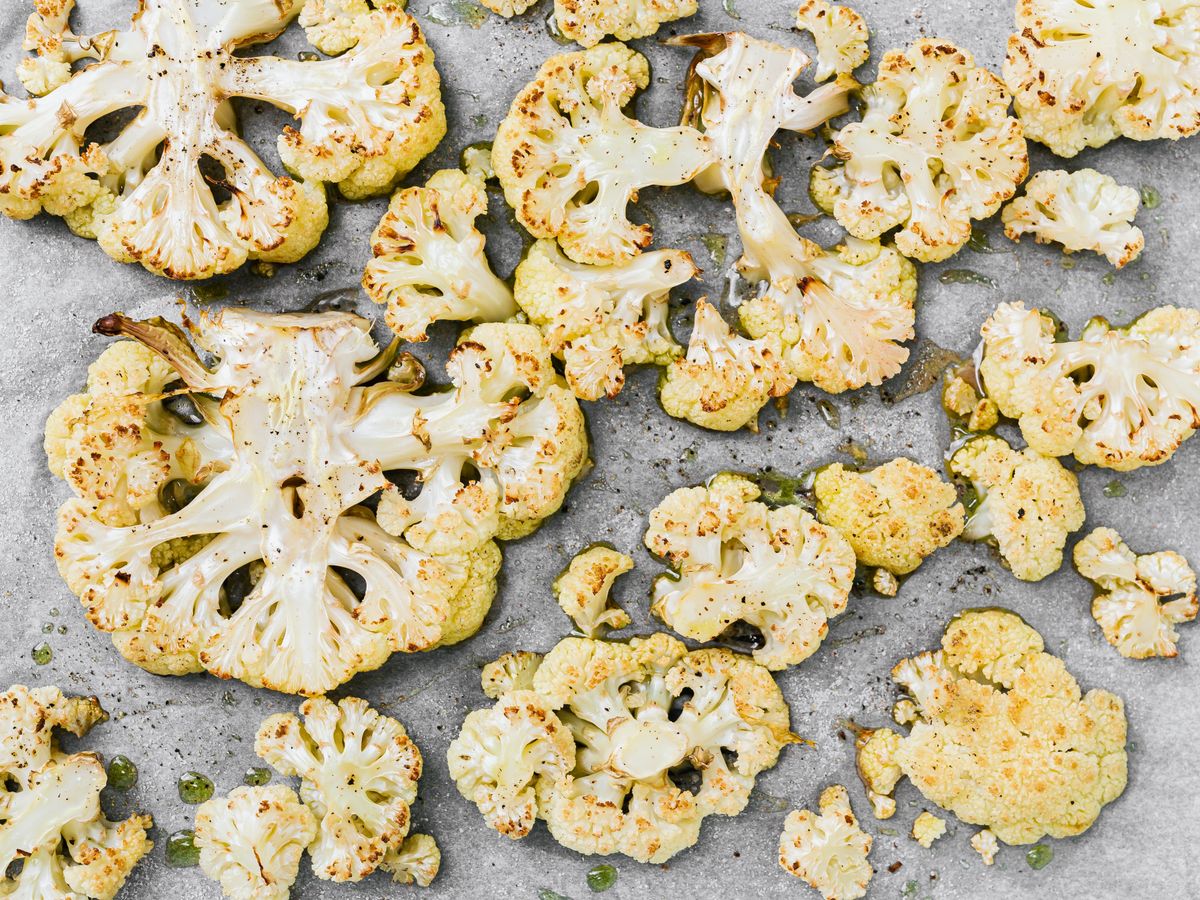
For your first attempt, keep the components short and simple rather than trying to batch five different things at once. Roast one protein and one vegetable on the same sheet pan or in two pans at once, and start a pot of rice or another grain on the stove while they cook. A tray of cauliflower or broccoli roasted at 425°F takes about 20 to 25 minutes, close enough to the chicken’s cook time that both can finish together. Total active time is usually under 20 minutes, with the oven and stovetop doing the rest of the work unattended.
Portion everything into separate containers as soon as it’s cool enough to handle, rather than leaving it all in one big pan on the counter. That single step, done consistently, is what actually determines whether your batch cooking habit lasts past the first attempt.
Common Batch Cooking Mistakes That Lead to Food Waste
The biggest mistake is combining everything into a sauce before portioning it out. Once rice, chicken, and vegetables are mixed into one finished dish with sauce already stirred in, you’ve locked yourself back into eating the same meal all week, which defeats the entire point of batching by component. Keep the sauce separate and add it fresh each time you assemble a plate.
The second mistake is cooking too much of a single component relative to how often you’ll actually want it. If you know you’ll get tired of chicken by day four, cook a slightly smaller batch of chicken and a slightly larger batch of a vegetarian option like beans or eggs to round out the week. The third mistake is skipping the freeze-now decision discussed above; letting containers sit in the fridge “to decide later” is how good batch-cooked food quietly turns into food waste.
Your Next Step
Pick one protein, one grain, and one vegetable, and batch cook just those three components this week, storing each one separately. Before you eat the first meal, decide which portions are getting frozen and which are staying in the fridge. That one session, done this way, is usually enough to prove to yourself that batch cooking for one doesn’t have to mean the same bowl five nights running.
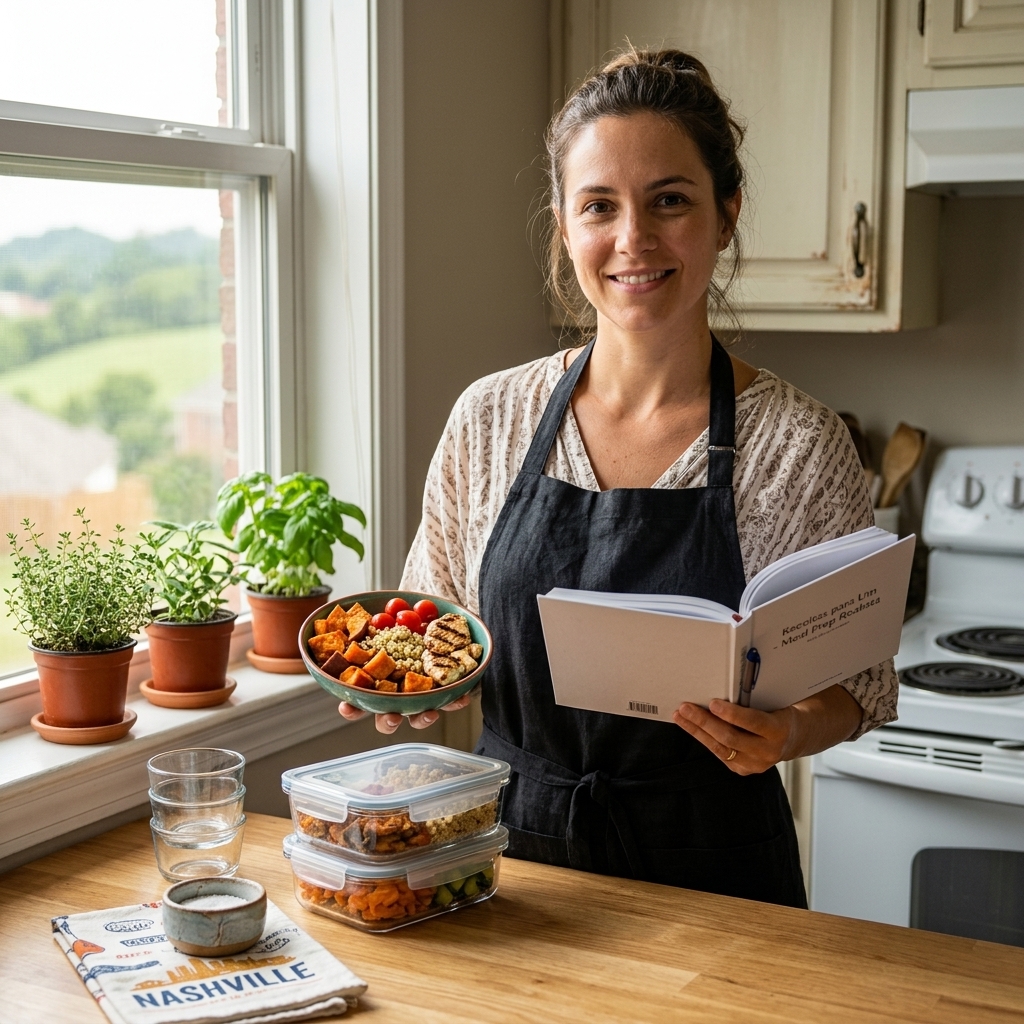
Daniela Amaral writes about meal prep for people who cook for one — realistic recipes, less food waste and less time in the kitchen. Based in Nashville, Tennessee, she’s spent years figuring out how to cook for herself without the boredom or the leftovers pile-up.