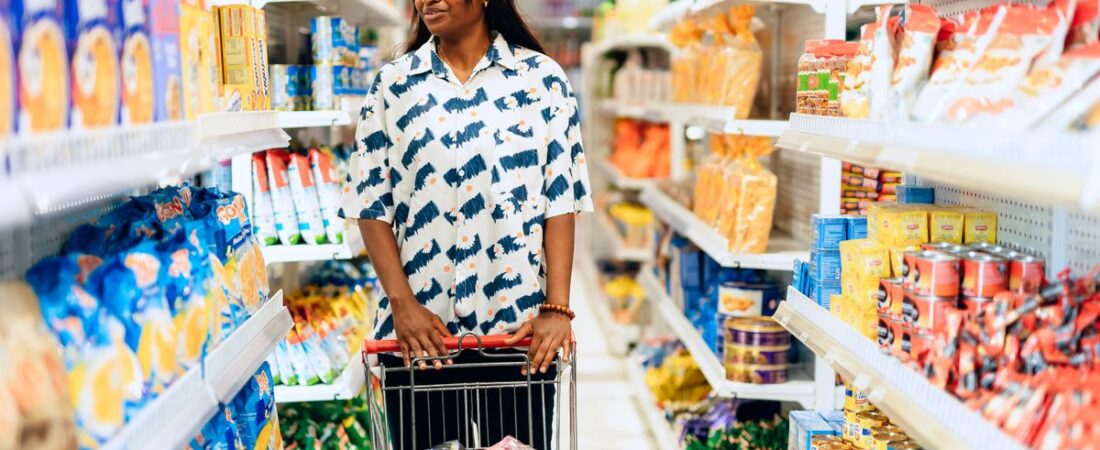
Building a grocery list for one is the single biggest lever you have over a grocery bill that keeps creeping up. The cart looked reasonable going in: a few vegetables, a rotisserie chicken, a bag of rice, some yogurt. Then the total flashes up at checkout, $64 for a week of groceries, and half of it is already destined to wilt in the crisper drawer before you get to it. Buying for one often costs more per meal than buying for a family, not because the food is pricier, but because so much of it goes to waste before you can eat it.
Building a grocery list for one that actually cuts your bill isn’t about clipping coupons or shopping five stores. It’s about buying the right amounts, choosing the right package sizes, and writing your list so it matches what you’ll realistically cook this week. A little planning turns that $64 cart into something closer to $35, with almost nothing thrown away.
Start With What You’ll Actually Eat, Not a Random Ingredient List
Before you write a single item, pick 3 or 4 meals you’ll actually make this week. A grocery list built meal-first naturally stays smaller, because every item on it has a job. A list built ingredient-first tends to balloon, since it’s easy to toss in “might need it” items that never get used.
Spend 5 minutes jotting down your meals on your phone or a sticky note, then build the list from there. If two meals both use onions, you only need to buy onions once, in the quantity both recipes need combined.
Shop Your Kitchen Before You Shop the Store
Open the fridge, freezer, and pantry and actually look, not just glance. Half-used bags of rice, a lonely can of beans, and that jar of salsa from two weeks ago all count as groceries you’ve already paid for. Cross anything you already have off your planned meals.
This single step routinely saves $8 to $12 a week for a one-person household, since it’s so easy to forget what’s already tucked in the back of a shelf. Keep a small notepad on the fridge door and jot down staples as they run low; it turns this check into a 2-minute habit instead of a chore.
Buy Produce in Quantities That Match a Single Kitchen
Loose versus bagged
A 3-pound bag of onions costs less per pound than buying them loose, but if you only need 2 onions this week, the bag is a worse deal once half of it goes soft in the pantry. For anything you use in small amounts, buy loose: 1 or 2 onions, a single bell pepper, a couple of carrots. Save the bagged deals for staples you go through quickly, like potatoes or apples.
Frozen produce as a budget tool
A 12-ounce bag of frozen broccoli or mixed vegetables usually runs $1.50 to $2.50 and lasts for months in the freezer, so you use exactly what you need and reseal the rest. Frozen fruit works the same way for smoothies or oatmeal. It’s not a downgrade from fresh, it’s a way to stop paying for produce you end up composting.
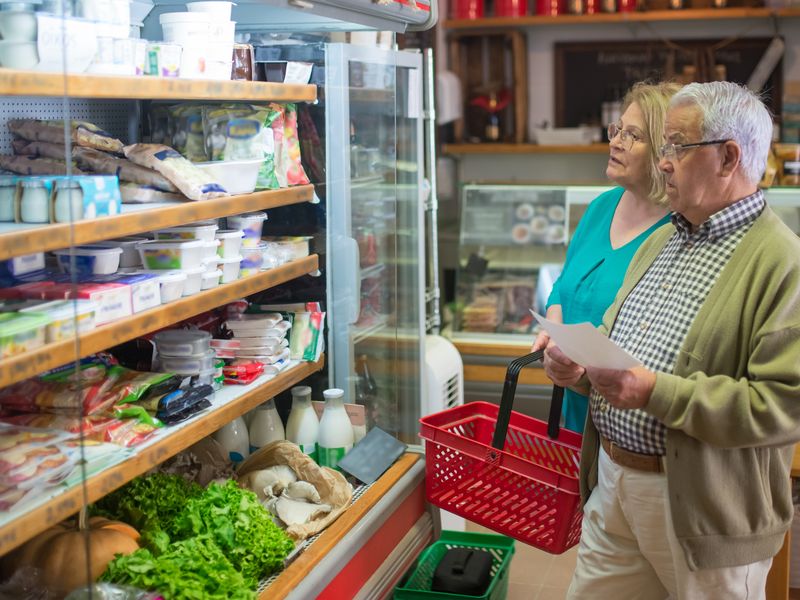
Build Your Grocery List for One Around Cost-Per-Serving Staples
A handful of ingredients do most of the work in a budget-friendly kitchen for one: dried rice and pasta (often $0.20 to $0.30 per serving), canned beans (about $0.90 a can, roughly 3 servings), eggs (around $0.30 each), and chicken thighs (often $1.50 to $2 per serving when bought family-size and portioned). Anchoring your list around 3 or 4 of these keeps the per-meal cost low even when produce or a treat item pushes the total up.
Buying the family-size pack of chicken thighs and portioning it into single-serving freezer bags the moment you get home is one of the most effective ways to shrink your per-meal cost; our guide on freezer-friendly soups for one shows how far a portioned protein can stretch across a month of meals.
Check Unit Price, Not Sticker Price
Most grocery store shelf tags show a small unit price, like cost per ounce or per 100 grams, tucked below the big number. That’s the figure that actually tells you which size is the better deal, since a “family size” isn’t always cheaper per unit than the regular size once you account for what you’ll actually use before it spoils or expires.
Keep the calculator app on your phone open while you shop for the first few trips. Comparing two unit prices takes about 10 seconds, and it stops the “bigger must be cheaper” assumption from quietly inflating your bill.
Batch-Friendly Proteins and Easy Swaps
Some proteins are simply easier to buy in bulk and freeze in single portions without losing quality. Ground turkey, chicken thighs, and firm tofu all freeze well once divided into meal-sized portions, while more delicate options like fish fillets are worth buying only in the quantity you’ll cook within 2 days. Keep these swaps in mind when a planned protein is priced high that week:
- Swap boneless chicken breast for chicken thighs, usually 30 to 40 percent cheaper per pound
- Swap fresh ground beef for a canned or dried bean when a recipe allows it, cutting the per-serving cost by more than half
- Swap a fresh herb for a dried version when you only need a pinch, since fresh bunches often go to waste after one use

Keep the List Honest With a Simple Budget Cap
Set a weekly number before you shop, even a rough one like $40, and write it at the top of your list. Add up prices as you go, either with a notes app or a small notepad, and you’ll naturally slow down before tossing in extras at the register. This one habit tends to save more than any individual swap, since it catches the small unplanned additions that add up fastest.
A cheap kitchen scale, usually $10 to $15, is worth keeping on the counter too. Weighing out a single 4-ounce chicken portion or a 1-cup serving of rice before you cook takes the guesswork out of “how much is actually one serving,” which is often where over-buying starts in the first place.
If you’re new to building a weekly routine around this, our guide to grocery shopping for one without wasting food covers how to pair your list with safe storage so nothing you buy goes bad before you use it. Storing perishables properly matters just as much as buying the right amount; the USDA’s guide to healthy eating on a budget is a solid companion resource if you want to go deeper on stretching a grocery budget overall.

A Sample $35 Grocery List for One
Here’s what a real grocery list for one looks like once these habits are in place: a dozen eggs ($3.50), a rotisserie or 1-pound pack of chicken thighs ($5), a bag of frozen mixed vegetables ($2), a 2-pound bag of rice ($2.50), 2 cans of black beans ($1.80), a loose onion and 2 carrots ($1.50), a small block of cheddar ($3), a loaf of bread ($3), a container of plain yogurt ($3.50), and a few pieces of loose fruit ($4). That totals around $30, leaving a small buffer for whatever looks good that week.
Since portioned protein and dairy don’t always keep as long as pantry staples, follow safe storage windows once you’re home: cooked or raw chicken thighs are good for 1 to 2 days raw in the fridge before you should cook or freeze them, and leftovers should go into the fridge within 2 hours of cooking. A little bit of label-and-date discipline keeps this list from turning into next week’s food waste.
None of these habits require a special app or a big Sunday planning session to keep your grocery list for one on budget. Pick 3 meals, check your kitchen first, buy produce loose in small amounts, and write a number at the top of your list before you shop. That’s the whole system, and it’s the difference between a cart that costs $64 and quietly wastes half of itself, and one that costs $35 and gets fully eaten.

Daniela Amaral writes about meal prep for people who cook for one — realistic recipes, less food waste and less time in the kitchen. Based in Nashville, Tennessee, she’s spent years figuring out how to cook for herself without the boredom or the leftovers pile-up.