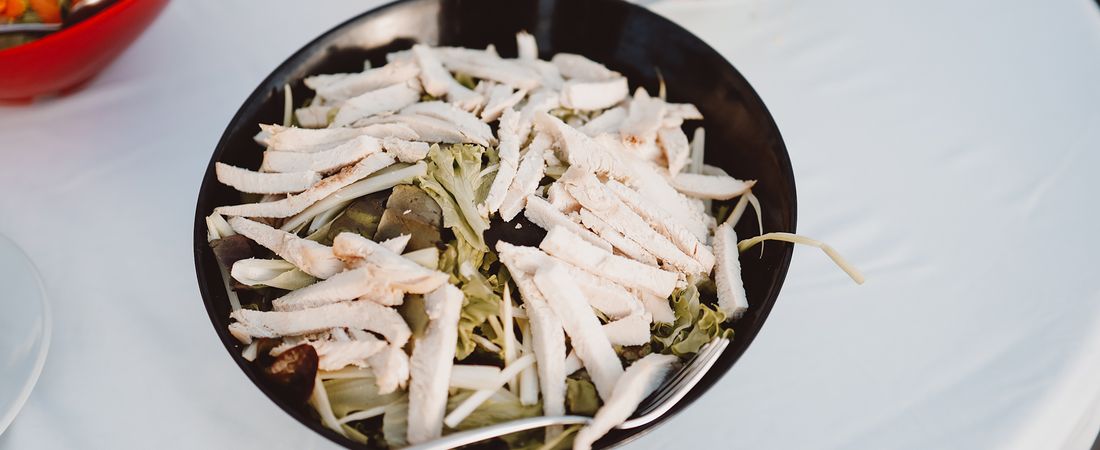
High-protein lunches for one are hard to pull off by 12:30 on a work-from-home Tuesday, when you’re standing in front of the fridge holding a sad bag of spinach and wondering how lunch got this hard. Cooking for one often means protein is the first thing to slide: a whole chicken breast feels like overkill, a can of beans seems like too much commitment, and by the time you’ve talked yourself out of three options, you’re eating crackers standing up.
These eight high-protein lunches for one are built to fix that. Each recipe makes exactly one serving, with notes on how to double it for later, uses ingredients you can buy in small amounts, and comes together in 15 minutes or less of active time. Pick two or three to keep on rotation and lunch stops being a decision you have to make every single day.
Greek Yogurt Protein Bowl with Berries and Nuts
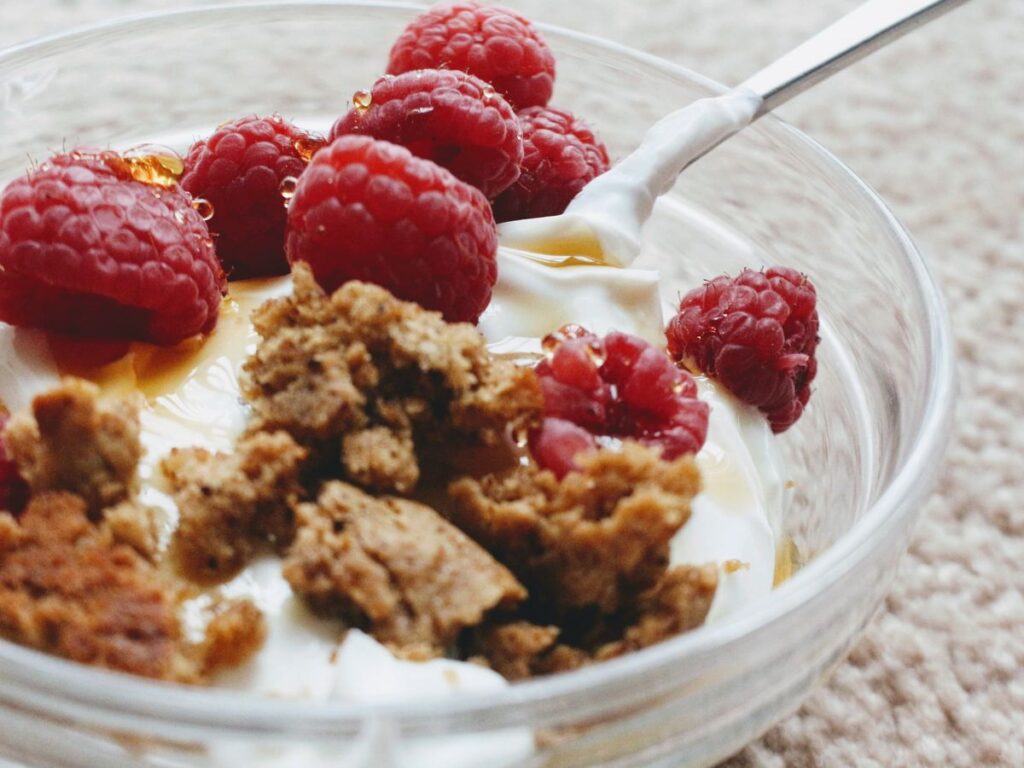
Spoon 1 cup (about 227g) of plain Greek yogurt into a bowl or a 16-ounce jar. Top with 1/2 cup mixed berries, 2 tablespoons chopped walnuts or almonds, a drizzle of honey, and a pinch of cinnamon. No cooking required, and it takes about 5 minutes to put together.
Plain Greek yogurt packs roughly 20 grams of protein per cup, so this is one of the fastest high-protein lunches for one you can make with almost no planning. It keeps well assembled in a sealed container in the fridge for up to 2 days; if you’re making it further ahead, store the nuts separately and add them right before eating so they stay crunchy. To double it, use a quart-size jar and split the finished mix into two containers.
Two Quick Skillet Bowls You Can Rotate
Chicken and Black Bean Bowl
Season a 4-ounce boneless chicken breast (about the size of a deck of cards) and cook it in a small nonstick skillet over medium heat, roughly 5 to 6 minutes per side, until it reaches a safe internal temperature of 165°F. Slice it and layer it over 1/2 cup cooked rice and 1/2 cup rinsed canned black beans, then top with 2 tablespoons salsa and a pinch of cumin. Total time: about 15 minutes.
Cooked chicken keeps in the fridge for 3 to 4 days in an airtight container, or in the freezer for up to 3 months if you want to batch it for later lunches.
Baked Tofu and Quinoa Bowl
Press and cube 4 ounces of extra-firm tofu (about a quarter block) and toss it with 1 cup chopped vegetables, 1 tablespoon soy sauce, and 1 teaspoon sesame oil. Spread on a small sheet pan and bake at 400°F for 20 minutes, flipping once, then serve over 1/2 cup cooked quinoa. Between the tofu and quinoa you’re looking at roughly 15 grams of protein in one bowl. It holds in the fridge for 4 days, or in the freezer for about 2 months.
Tuna and White Bean Jar Salad
Drain a 5-ounce can of tuna packed in water and mix it with 1/2 cup canned cannellini beans, 1/4 cup diced celery, 1 tablespoon olive oil, 1 tablespoon lemon juice, and salt and pepper to taste. Pack it into a pint jar or airtight container. There’s no cooking involved, so it takes about 5 minutes, and between the tuna and beans you get around 30 grams of protein.
Because there’s no mayonnaise, this jar salad is a little more forgiving than a creamy version and keeps in the fridge for 3 to 4 days. Like any prepped lunch, though, don’t leave it sitting out at room temperature for more than 2 hours. If you want a double batch, use two cans of tuna and split the mix between two jars; this one doesn’t freeze well, since the beans and celery turn mushy once thawed.
Turkey, Hummus, and Veggie Wrap Board
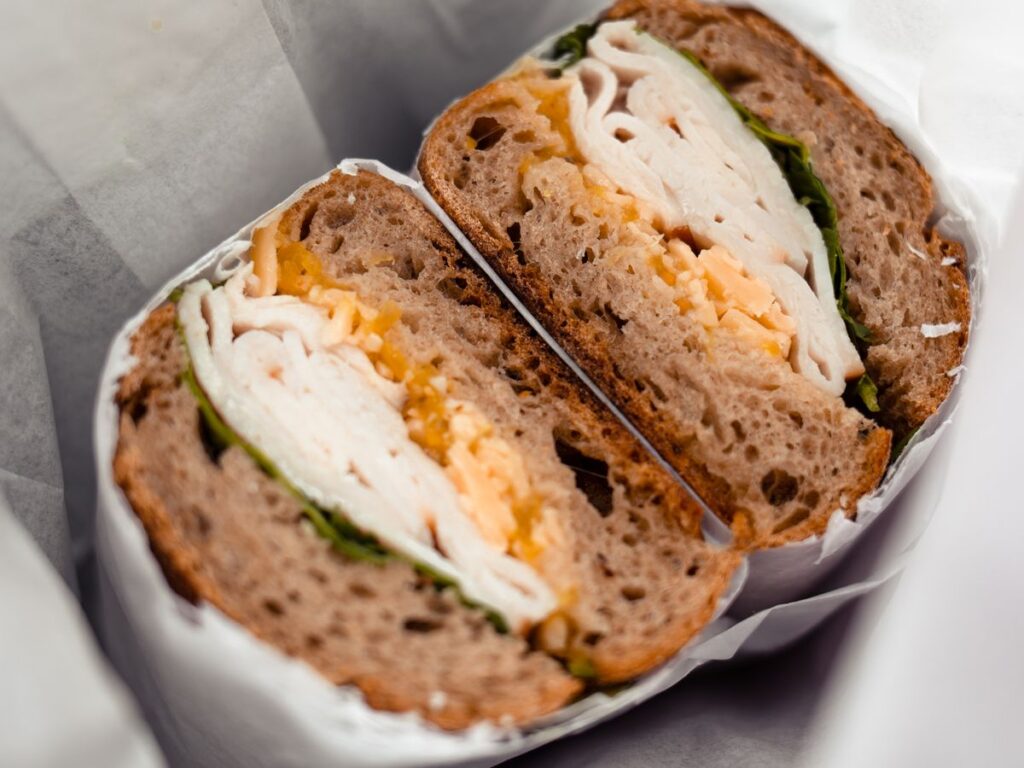
Spread 3 tablespoons of hummus over an 8-inch whole-wheat tortilla, then layer on 3 ounces of sliced deli turkey, a handful of spinach, 1/4 cup shredded carrot, and a few slices of avocado. Roll it tightly and slice in half. It’s ready in about 5 minutes and delivers around 22 grams of protein between the turkey and hummus.
Assemble it the morning of or the night before for the best texture, since avocado browns quickly; wrapped tightly in plastic wrap or foil, it’s best eaten within a day. The deli turkey itself keeps 3 to 5 days in the fridge once opened. Keep these swaps on hand so you’re never stuck with the same wrap twice:
- Protein swap: rotisserie chicken, canned salmon, or plant-based deli slices
- Crunch swap: sliced cucumber, snap peas, or shredded cabbage instead of carrot
- Spread swap: mashed avocado, herbed cream cheese, or mustard instead of hummus
Salmon and Lentil Power Salad
If you’re baking fresh salmon, a 4-ounce fillet needs about 12 to 15 minutes at 400°F, until it flakes easily and reaches 145°F internal; a 5-ounce pouch of shelf-stable salmon works too, with zero cooking. Toss 2 cups mixed greens with 1/2 cup cooked lentils and 1/4 cup halved cherry tomatoes, dress with 1 tablespoon olive oil, 1 teaspoon Dijon mustard, and a splash of vinegar, then top with the salmon.
This bowl brings around 30 grams of protein between the salmon and lentils. Baked salmon keeps in the fridge for 3 to 4 days; once assembled, the salad is best within 2 days, and it helps to keep the dressing separate until you’re ready to eat so the greens don’t wilt. If quick dinners are more your speed on nights you don’t feel like a salad, our 10 easy dinners for one guide uses a lot of the same pantry staples.
Egg and Cottage Cheese Protein Bowl
Hard boil 2 large eggs by covering them with water, bringing it to a boil, then covering the pot and removing it from heat for 10 to 11 minutes before cooling the eggs in ice water. Peel, halve, and combine with 1/2 cup cottage cheese and 1/2 cup cherry tomatoes or cucumber, finished with black pepper or everything bagel seasoning. Between the eggs and cottage cheese, this bowl has close to 26 grams of protein.
Hard-boiled eggs keep in their shells in the fridge for up to a week, or about 5 days once peeled, which makes this one of the easiest high-protein lunches for one to batch ahead. Hard boil 6 to 8 eggs on a Sunday and you’ll have breakfasts and lunches covered for most of the week; pair the habit with a broader weekly meal plan for one so the rest of your meals come together just as easily.
Protein Pasta Salad with Chickpeas
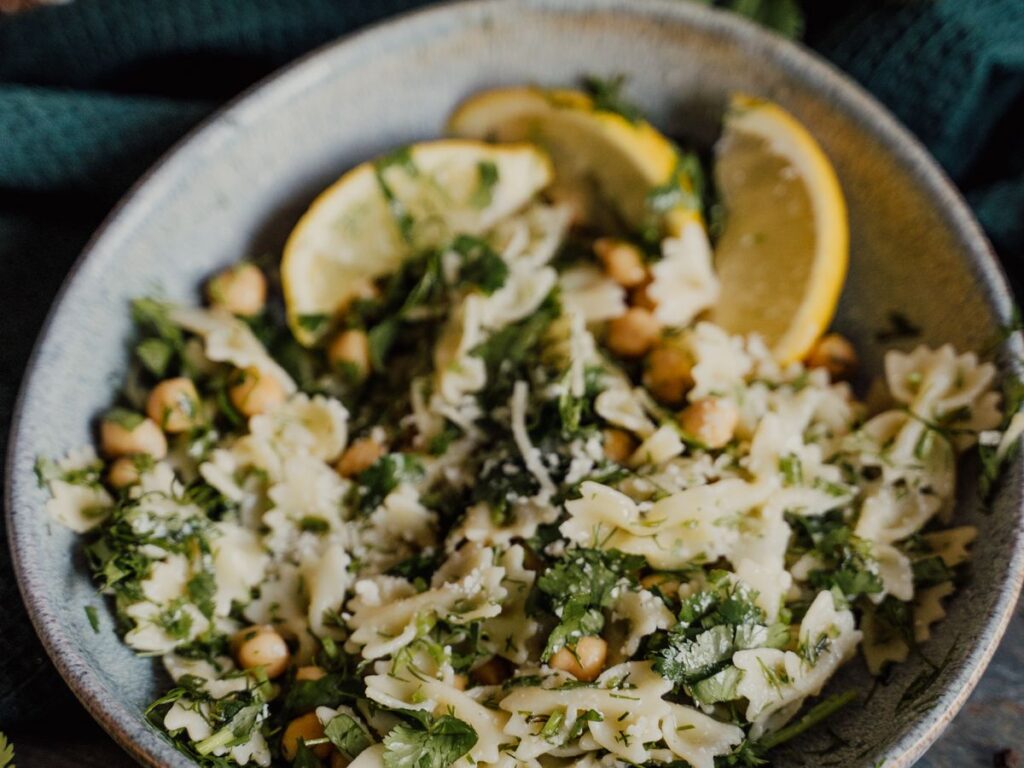
Cook 1 cup of pasta (regular or a chickpea/lentil pasta for extra protein), drain, and let it cool slightly. Toss with 1/2 cup canned chickpeas, 2 tablespoons feta or parmesan, chopped cherry tomatoes and cucumber, 1 tablespoon olive oil, red wine vinegar, and Italian herbs. It takes about 15 minutes and lands anywhere from 18 to 28 grams of protein depending on the pasta you use.
It keeps in the fridge for up to 4 days in an airtight container; skip the freezer for this one, since pasta gets mushy once thawed. To batch it, cook a full box of pasta on Sunday, portion out four servings, and add the fresh vegetables to each portion the day you eat it so nothing goes soggy.
Storing, Freezing, and Reheating Your High-Protein Lunches Safely
Fridge storage times
As a general rule, cooked chicken, turkey, and fish keep for 3 to 4 days in the fridge, hard-boiled eggs keep about a week in the shell, and cooked grains, beans, and lentils keep 3 to 4 days. Deli meat keeps 3 to 5 days once opened. For a full breakdown by ingredient, the FoodSafety.gov cold storage chart is worth bookmarking if you batch cook regularly.
Freezing and reheating safely
Most of these lunches freeze best without the fresh vegetables: freeze the protein and starch separately, in a labeled airtight container or freezer bag, for about 2 to 3 months, then add crisp vegetables after thawing. If you’re going deeper into freezer meals, our guide on batch cooking when you live alone covers portioning and labeling in more detail. Thaw frozen lunches in the fridge overnight rather than on the counter, and reheat to 165°F all the way through. Never leave any of these lunches sitting at room temperature for more than 2 hours, or 1 hour if your kitchen is above 90°F.
You don’t need to cook all eight of these this week to make it work. Pick two recipes that use ingredients you already like, make a double batch of one on Sunday, and build the rest around what’s already in your fridge. That’s the real trick behind high-protein lunches for one: a short list of reliable options beats a long list of good intentions.
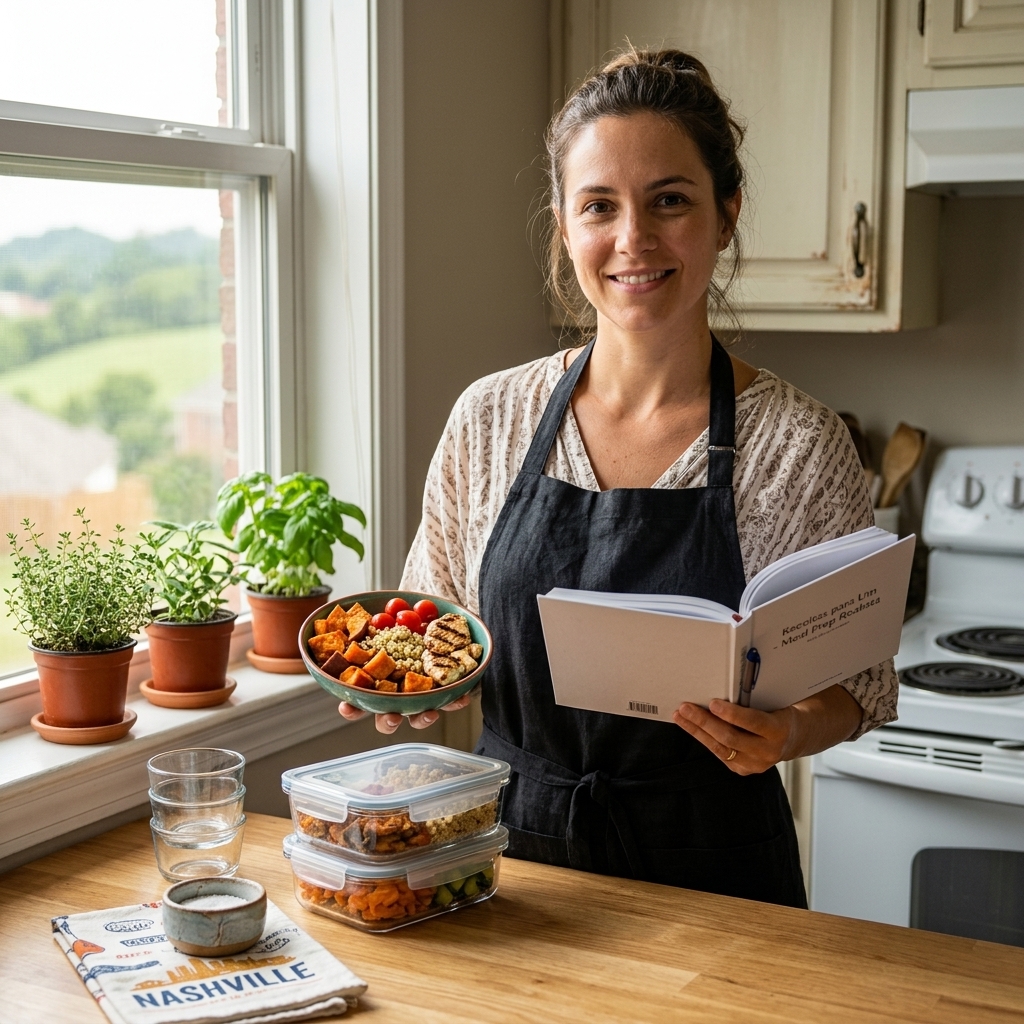
Daniela Amaral writes about meal prep for people who cook for one — realistic recipes, less food waste and less time in the kitchen. Based in Nashville, Tennessee, she’s spent years figuring out how to cook for herself without the boredom or the leftovers pile-up.